


I’ll admit it—I started watching When Life Gives You Tangerines for one reason: Park Bo Gum. He’s still my favorite Korean actor, and honestly, if he’s in something, I’m watching it. No questions asked.
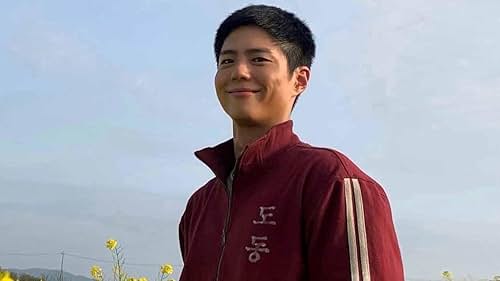
But what really pulled me in was the quiet charm of the story itself. I’ve always had a soft spot for period dramas. There’s something comforting about seeing old-school radios, faded posters, and vintage furniture come alive on screen. It stirs up memories—some mine, some imagined—but all of them warm.
As I watched, I realized this show wasn’t just about nostalgia or first love. It was about family, sacrifice, longing, and the kind of love that isn’t always loud but lasts anyway. So in this post, I’ll share what stood out the most to me—starting with a mother’s quiet strength, a daughter’s complicated dreams, and a kind of love that felt deeply personal.
A Mother’s Sacrifice
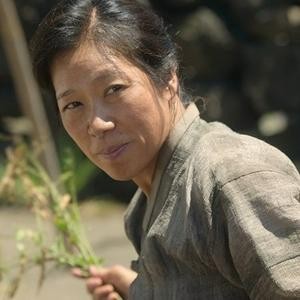
Jeon Gwang-rye is the kind of mother who doesn’t need to say much to make you feel everything. Her actions speak louder than any dialogue ever could. You see her day in and day out, doing backbreaking work just to give her children a chance at a better life. She doesn’t complain. She doesn’t rest. She just keeps going—because that’s what mothers do.
One of the most striking things about her is how far she’s willing to go to make sure her daughter, Yang Geum-Myeong, isn’t left behind. In a time and place where being poor often meant being overlooked, especially if you were a girl, Gwang-rye made sure that didn’t happen. She fought for her daughter’s right to be treated equally at school, to be seen, to be given the same shot at opportunity as everyone else.
And when I say she fought, I mean it literally and figuratively. She dove into the ocean—deep and dangerous waters—to gather abalones she could sell at the market. Every dive wasn’t just a job; it was a lifeline. Each one meant tuition fees, books, a uniform that fit just right. It meant dignity for her children. It meant survival.
Watching her made me think of all the mothers out there who carry the weight of the world on their backs without ever asking for recognition. Gwang-rye represents them—the women who give everything, not because they’re superheroes, but because they love fiercely and without condition.
Her story hit hard. It’s quiet, but it lingers.
A Daughter’s Dream
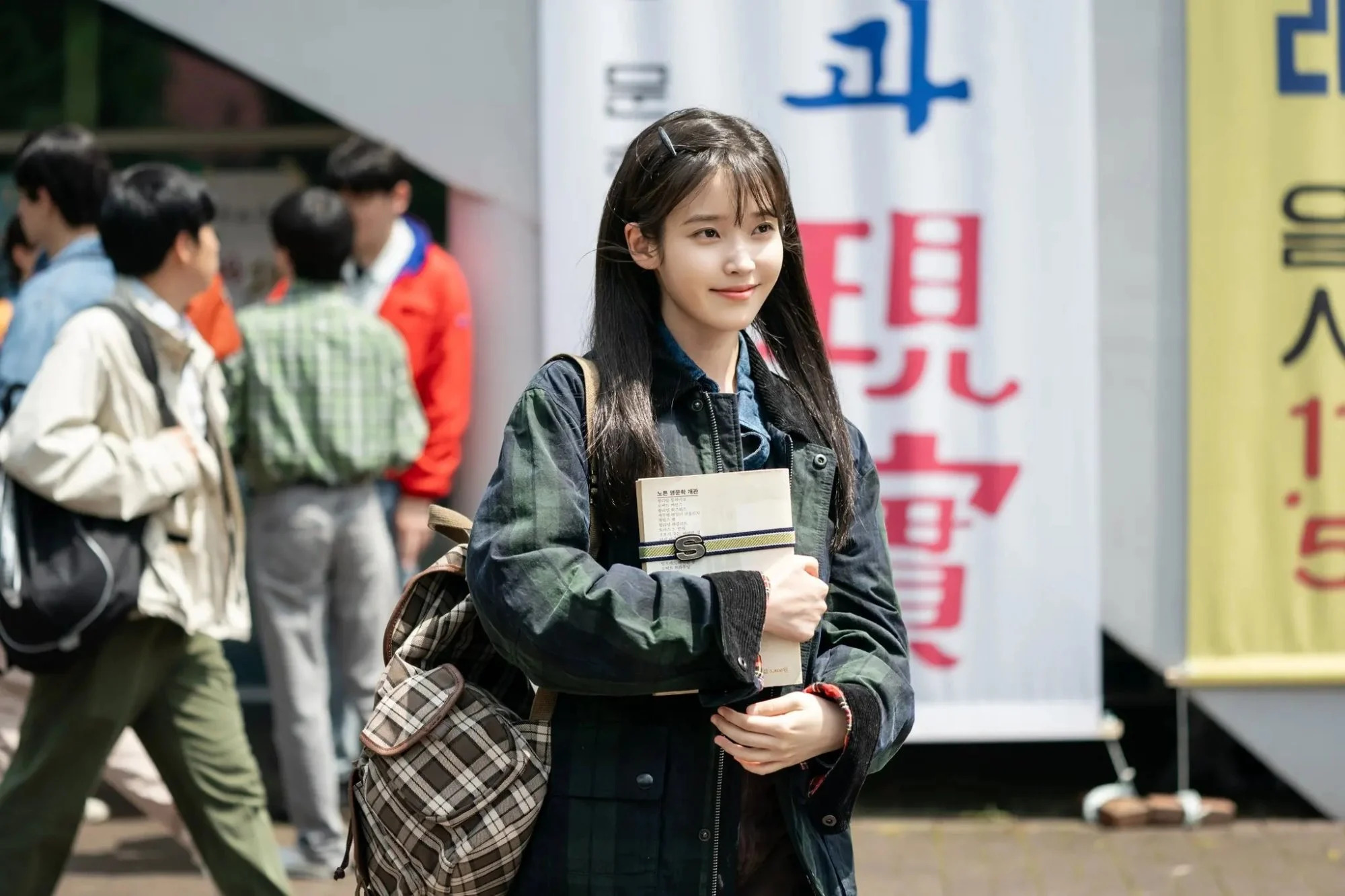
Yang Geum-Myeong is the kind of girl who knows what she wants—and she’s not afraid to go after it. She studies hard, aims high, and carries the weight of her parents’ dreams like a badge of honor. You can tell she’s determined to build a life that makes all of their sacrifices worth it. And honestly, that kind of focus is admirable.
But she’s not perfect. Not even close.
Geum-Myeong is smart, yes. But there’s this childlike tone to her that makes her come off as a little… ungrateful sometimes. She’s got that soft-spoken, polite demeanor, but underneath it, there’s a streak of quiet entitlement. IMHO, she’s a bit of a spoiled brat—though it’s not in your face because they’re not rich. Still, the way her parents, especially her mom, go the extra mile for her is hard to miss. She’s clearly the favored one, and while that’s not her fault, it does create tension—especially with brother, Yang Eun-Myeong.
And honestly? I get it. If I were in Eun-Myeong’s shoes, I’d feel sidelined too. Always watching the smart sibling get the better seat at the table, so to speak, just because she has the grades and the ambition. It’s one of those quiet hurts that isn’t always talked about in families, but it sits there, brewing.
Still, there are things about Geum-Myeong that made me root for her. One of them is how deeply she admires her father ( even if she always says he is annoying). She lights up when she talks about her parents’ love story. You can tell, even if she never says it outright—she adores him. A true daddy’s girl. She looks up to him in a way that’s soft and pure, and deep down, you can feel that she’s quietly hoping to find someone like him in her own life.
But then there are moments that made me want to shake her just a little—like when she pushes for something her parents clearly can’t afford or doesn’t quite consider their exhaustion. I know it comes from a place of longing, not selfishness, but still… she can be demanding. And I found myself wishing she’d pause sometimes and just see how hard her family is working around her.
She’s complex—just like real daughters are. And that’s what makes her story worth watching.
The Love Every Woman Deserves
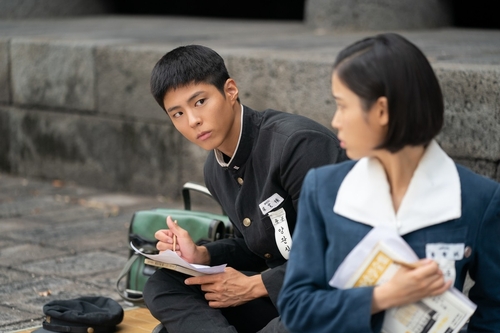
Gwan-Sik’s love for Ae-Sun is the kind that doesn’t make a scene. It doesn’t chase grand gestures or need to be loud to be felt. It’s just there—constant, steady, and unwavering, like the tide. From the time they were children, you could already tell that Ae-Sun held a special place in his heart. And the way he looks at her? That quiet reverence, the unspoken respect—it’s the kind of gaze every woman dreams of being on the receiving end of.
It wasn’t just affection. It was devotion. The kind that stays, even when life gets hard. Especially when life gets hard.
Watching Gwan-Sik reminded me of the kind of love that doesn’t always get written about—but should. The kind that shows up every day. That works long hours with aching hands, comes home tired but still finds time to ask how you are. The camera would sometimes linger on his hands—so calloused, so worn—and every time it did, I felt a pinch in my chest. Those weren’t just working hands. They were hands that built a life, held a family together, and always made space for Ae-Sun’s dreams alongside his own duties.
As a husband and a father, he never lost sight of his role. He knew what needed to be done, and he did it without complaint. But what struck me most was how he never forgot Ae-Sun. In the quiet busyness of daily life, he still held on to a promise he made—to help her publish her book of poems. It took time, yes. Life got in the way. But he never let it go. And when it finally happened, when she held that book in her hands, her happiness said everything.
That moment? It felt like closure, not just for Ae-Sun, but for all the women who have ever put their dreams on pause. It was also a gentle reminder: love isn’t always about how fast you get there. Sometimes it’s about the promise you kept, even if it took a while.
Maybe that’s why Gwan-Sik’s character hit so close to home for me. I see parts of him in my own husband. The quiet loyalty, the hard work, the never-failing love. And that makes me feel incredibly lucky. Because the kind of love Gwan-Sik gave—every woman deserves to be loved like that at least once in her life.
The Literary Girl Who Finally Found Her Words
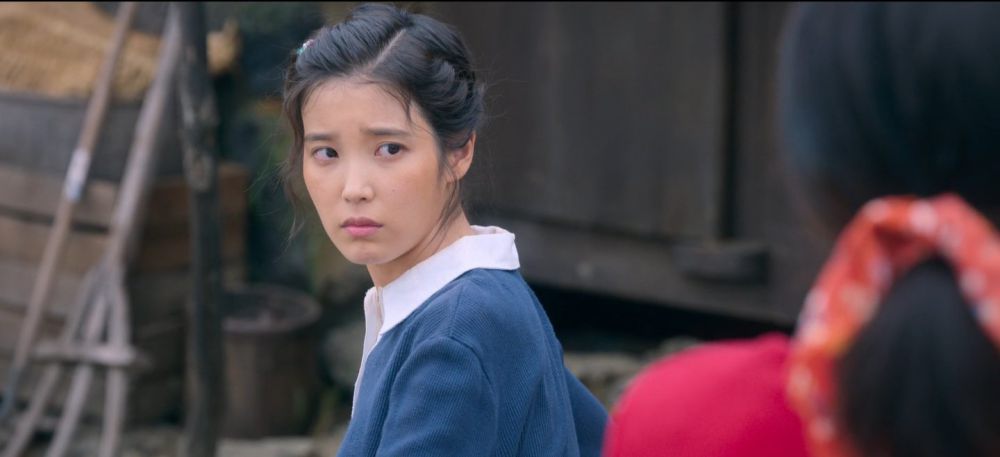
Oh Ae-Sun has always been known as the town’s literary girl—the one who wrote beautifully but quietly, the one with a head full of poems and a heart that beat for others before herself. But behind that gentle persona is a woman who’s carried more than her fair share of pain.
As a mother, Ae-Sun isn’t perfect, but she never stopped trying. She’s the kind of woman who gives quietly, without needing applause. Her love is steady, never showy. You can tell she learned that from her own mother, Jeon Gwang-rye. Even when Gwang-rye pushed her away, Ae-Sun chose to stay. She endured uncomfortable sleeping spots and humble meals just to be near her. Because to Ae-Sun, being close to her mother meant safety. It meant everything would somehow be okay.
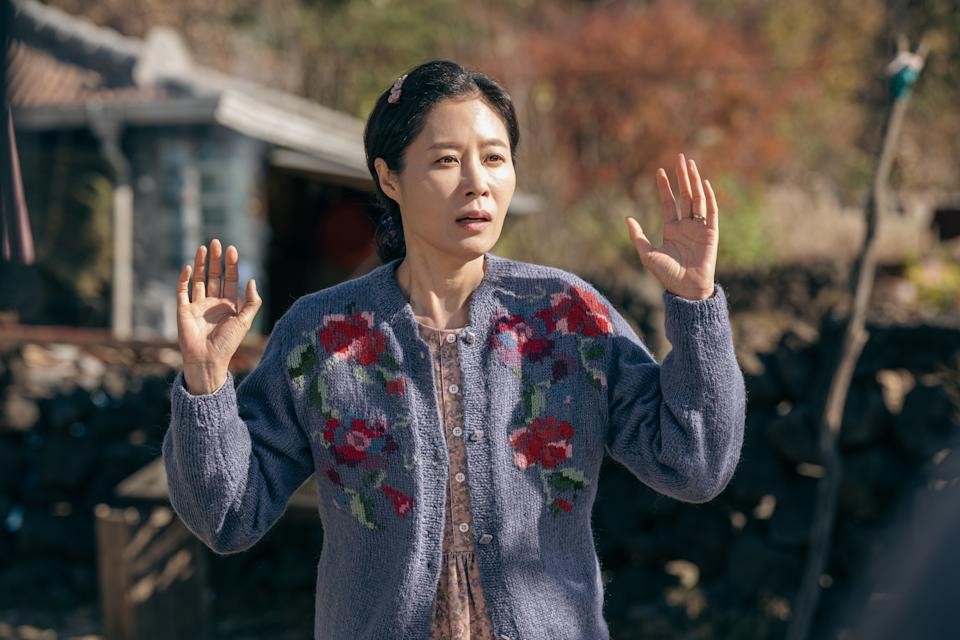
And when she became a mother herself, she carried that same devotion forward. She tried to do everything her mother once did for her, pouring herself into the lives of her children. But when her youngest child died in an accident, everything inside her broke. She blamed herself, even if no one else did. Life didn’t give her the luxury to mourn—not right away. Survival came first. It took years before she could truly sit with her grief, and when she finally did, the sorrow was raw and unfiltered. That pain never really leaves. It just quietly folds into who you are.
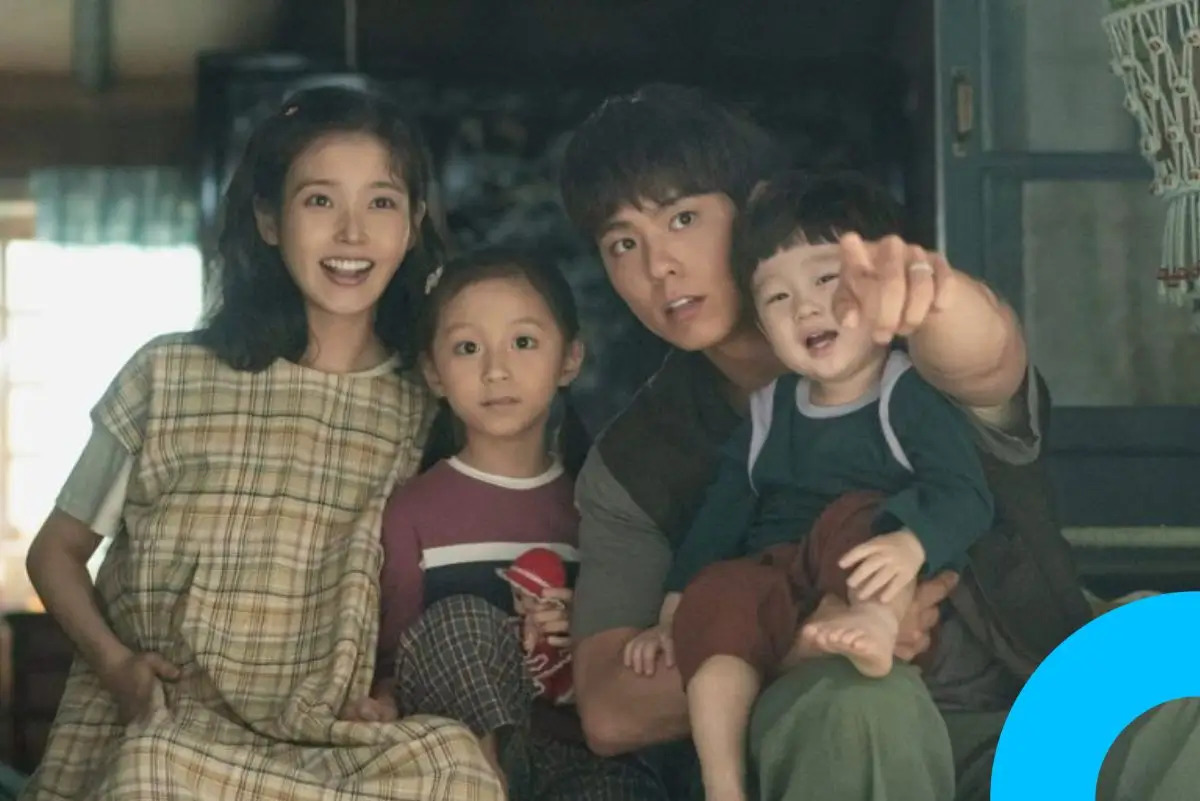
Ae-Sun had dreams. Big ones. She could’ve pursued writing, maybe even been published long before she was. But she shelved all that—for her family. Her poems became background noise as she focused on being a mother, a daughter, and eventually, a wife. It wasn’t that she wasn’t capable. She was. But she chose to center her life around love and responsibility.
And when it came to Gwan-Sik, she took her time. She didn’t fall all at once. But when she finally let herself love him, she loved with her whole heart. She became the kind of wife who stayed, supported, and believed in him—even when life was hard and uncertain. Her love wasn’t flashy, but it was real.
When Gwan-Sik helped her finally publish her book of poems, it was a victory—not just for Ae-Sun, but for every woman who has ever put her dreams on pause for the sake of family. That book wasn’t just a collection of words. It was her heart, her sacrifices, her voice—finally given the space it always deserved.
Final Thoughts
When Life Gives You Tangerines doesn’t rush to impress. It simply tells the truth—about love, loss, longing, and everything that quietly shapes us over time. It lingers in the small moments, the ones we often overlook but end up carrying with us the longest.
And if you needed one more reason to watch—it’s IU. Her acting in this series is nothing short of remarkable. Watching her bring multiple characters to life with such ease and depth only adds another layer of magic to the story.
Maybe that’s why it stays with you long after the credits roll.
Have you ever watched something that made you feel like your own story was being told—slowly, softly, and with so much heart?
 From My Corner of the Couch
Wow that was incredible. I am also planning to watch this series 😍
LikeLike
You should! You won’t regret it
LikeLiked by 1 person