

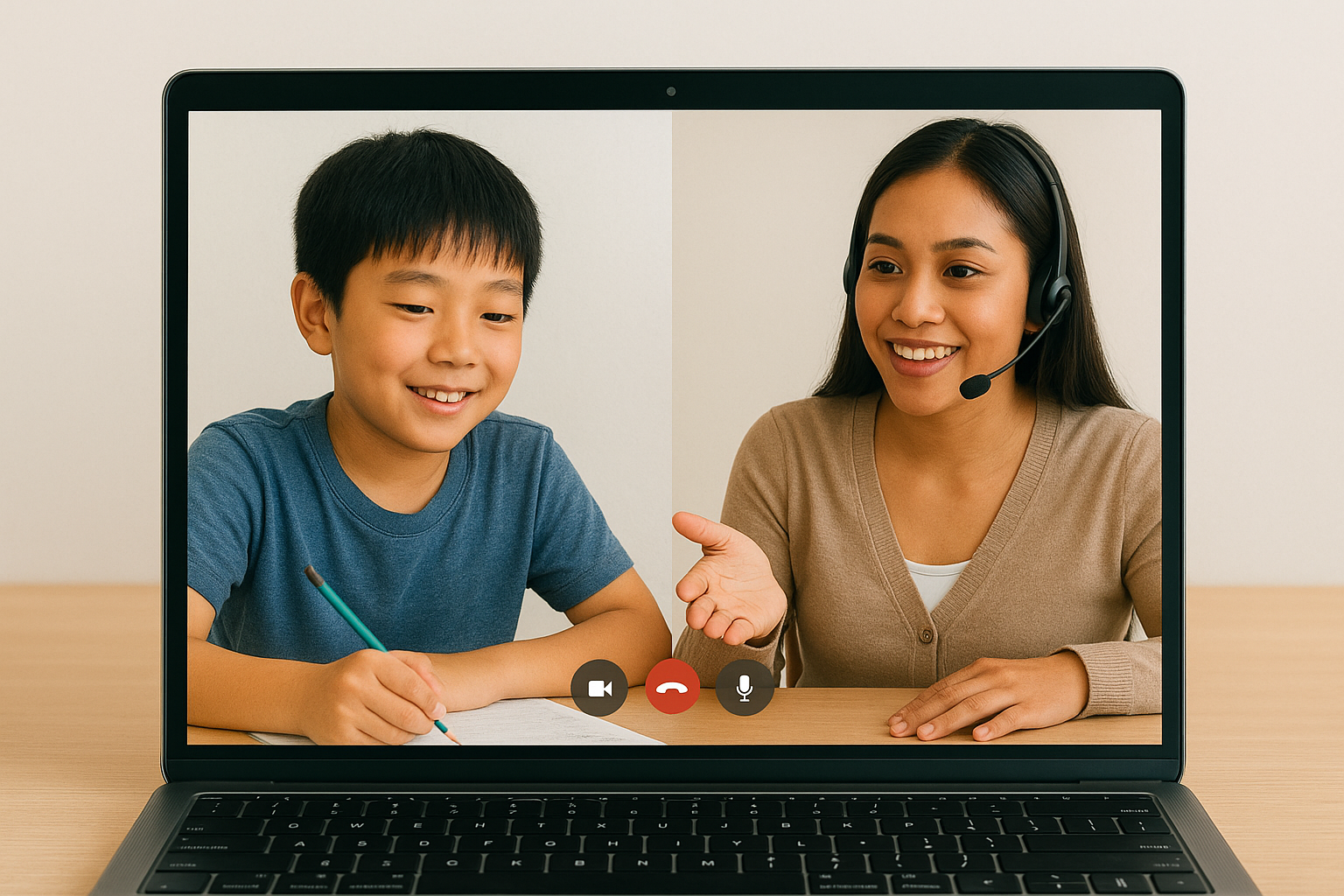
When I applied for my first ESL job, the part that scared me the most wasn’t the interview—it was the demo lesson. You know, that short class where you’re supposed to impress a hiring manager who’s pretending to be a student? Yep, that one. My hands were sweating so much, I was afraid the flashcards would stick to my fingers.
If you’ve ever been there, you know how stressful it feels. You’ve got a few minutes to show that you can manage a class, keep students engaged, and teach something useful—all while smiling like it’s the easiest thing in the world. No pressure, right?
A demo lesson isn’t a trap. It’s your chance to show what makes you a great teacher. And with the right approach, you can turn those nerves into confidence. In this post, we’ll talk about how to prepare, what to avoid, and the little things that make a big difference when it comes to acing your ESL demo lesson.
🧑🏫Understand the Purpose of the Demo Lesson
Here’s the thing about demo lessons: they’re not just checking if you can explain the difference between is and are. Schools use this as a window into how you teach, how you handle a class, and how you connect with students. It’s like giving them a quick movie trailer of what it would be like if you were their teacher.
Think about what employers are really looking for. They want someone who can give clear instructions, manage time, and keep students involved—not someone glued to their notes, reciting grammar rules like a robot. They also want to see energy, creativity, and how you’d react if something doesn’t go as planned.
So when you’re preparing, remember this: your lesson plan matters, but how you deliver it matters even more. The goal is showing that you can create a learning environment that feels fun, organized, and stress-free for students.
🧑🏫Research and Know Your Audience
Before you even start planning activities, take a moment to figure out who you’ll be “teaching.” Will they be kids, teens, or adults? Each group needs a different approach. For example, kids respond well to interactive games and colorful visuals, while adults appreciate practical scenarios—like ordering at a café or small talk during a meeting.
If the school or platform gives you details about the age and level, use them to your advantage. No info? Make an educated guess and keep your plan flexible. Also, think about cultural differences. A joke that works in one country might fall flat—or worse, sound offensive—in another.
When you tailor your lesson to the audience, you’re not just teaching; you’re showing that you can connect. And in ESL, connection is everything.
🧑🏫Plan a Solid Lesson Structure
Now that you know who you’re teaching, it’s time to build a lesson that actually flows. The good news? You don’t need anything fancy. A simple structure works best: Warm-up → Presentation → Practice → Wrap-up.
Start with something that grabs attention—a quick game, a question, or even a fun visual. Then move to the presentation part, where you introduce the main topic or grammar point. Keep it short and clear. Next comes practice. This is where the magic happens because interaction shows you can keep students engaged. End with a quick wrap-up to review what they learned. It could be as simple as asking, “What’s one new word you learned today?”
Don’t try to cram too much in. One main objective is enough for a short demo. The goal isn’t to teach everything under the sun—it’s to show that you can teach well.
Also, keep in mind that some platforms or schools provide sample lesson materials for the demo. If they do, don’t just skim through them—study them carefully. They’re usually designed to reflect what the company expects in real classes, so following the format works in your favor.
🧑🏫Manage Time Effectively
One of the easiest ways to mess up a demo lesson? Running out of time. You might have the best activities planned, but if you don’t manage the clock, it won’t matter. Hiring managers notice that.
The first step is to know exactly how much time you have, and then plan every stage around it. For example, if you’ve got 25 minutes, you can’t spend 10 of them on a warm-up. Keep your intro short and your main activity focused, and leave a minute or two for a quick review at the end.
Here’s a tip that saved me: practice with a timer. Seriously, don’t just eyeball it. When I did my first demo, I thought I had time for everything. Spoiler alert—I didn’t. Rehearsing helps you see where you might need to trim things down.
And here’s another reason this matters: in real life, after one lesson ends, you’ve got maybe five minutes before the next one starts—and you still need to finish your tutoring notes. If you learn to pace your demo, you’re also training yourself for the actual job.
Bottom line? A well-paced lesson looks organized and professional, and that’s exactly what they want to see.
🧑🏫Show Classroom Management Skills
Even in a demo lesson, classroom management matters. The interviewer isn’t just looking at what you teach—they’re paying attention to how you handle the “class.” And yes, even if it’s just one person pretending to be a student, they want to see how you’d manage a real group.
Start with clear, simple instructions. If you need students to do something, model it first or give an example. For instance, instead of saying, “Make a sentence,” try, “Make a sentence using the word ‘apple.’ Here’s mine: I eat an apple every morning.” It sounds small, but it makes a big difference.
Another key part of good classroom management? Checking for understanding. Never assume students get it just because they nod. Use quick checks like, “Is it clear?” or “Can you give me another example?” You can also try, “Show me with your fingers—one or two?” These little moments tell the interviewer that you won’t leave students confused in a real class.
And don’t forget positive reinforcement. A simple “Great job!” or a thumbs-up creates a supportive environment—even during a short demo.
The goal isn’t to act strict—it’s to show you can keep things organized and make sure everyone’s actually learning.
🧑🏫Display Confidence and Energy
Your demo lesson is also about how you present yourself. Confidence and energy go a long way in making a positive impression. If you look unsure or sound monotone, the interviewer might wonder how you’ll keep students engaged.
Smile, use clear gestures, and keep your tone lively without overdoing it. Change your pitch a little when asking questions, and show genuine enthusiasm for the topic. These small things make the class feel more dynamic and enjoyable.
That said, energy doesn’t always mean being overly animated. If you’re handling a business English class or preparing a student for an Eiken Test, a calm and professional approach is better. In those situations, confidence and clarity matter more than bouncing around with big gestures.
Think of it this way: your goal is to match the energy your students need while still showing that you’re comfortable, approachable, and in control.
🧑🏫Prepare for the Unexpected
Even the most organized lesson can hit a bump. Your internet might lag, a slide might not load, or the activity you planned could fall flat. The key is to stay calm and keep going like it’s no big deal—because that’s what real classes will be like.
Do a quick tech check before your demo: camera, audio, internet, and any materials you’ll use. If you’re using slides, keep a backup copy on your desktop or phone just in case. Also, have a simple filler activity ready—something you can pull out without breaking the flow. It could be a quick vocabulary question or a short Q&A.
Remember, interviewers don’t expect perfection. What they want to see is how you handle things when they don’t go according to plan. Staying composed and flexible says more about your teaching skills than a flawless script ever could.
Final Thoughts
Landing an ESL job starts with showing what makes you stand out as a teacher. Your demo is your moment to prove it. So, approach it with confidence, personality, and a clear sense of purpose.
What about you—what’s the one thing you do to keep a class engaged? Share your thoughts; someone out there might need your tip.
 From My Corner of the Couch