

When you’re recovering from a stroke, nothing feels “simple.” Even getting out of bed can feel like a workout. I know, because I’ve been there.
Back in 2013, I had a stroke caused by an AVM I didn’t even know I had. One moment I was just a regular working mom, and the next—everything changed. Recovery wasn’t a straight line. It came with tears, tiny wins, frustrating days, and lots of naps I didn’t plan to take. But you can get stronger. Not overnight—but little by little, right at home.
Today, I’m a work-from-home mom juggling two jobs. I teach ESL to amazing students and write content that (hopefully) helps people. I still have limitations—but I also have routines that help me function, stay sane, and feel useful. That’s what this post is about.
This isn’t going to be a list of “push through the pain” advice. You won’t find any magic solutions here. Just simple habits that made my life better—and might help yours, too.
Start With Gentle Daily Movement
Here’s the thing: if you don’t move, your body won’t just freeze—it might fight back.
When I was in the early stages of recovery, I learned the hard way what happens when certain muscles stay inactive for too long. Muscle spasticity crept in. That’s when your muscles get super tight or stiff without you telling them to move. It’s like your arm or leg is throwing a tantrum and locking itself up. And it hurts. A lot.
Then came clonus—something I didn’t even know existed until it happened to me. My leg would start shaking uncontrollably, like a bouncing spring I couldn’t stop. It made standing tough and walking feel like a gamble.
So no, movement isn’t just about building strength—it’s about keeping your muscles from rebelling.
Now I’m not talking about hour-long workouts or fancy therapy sessions. Start small. Stretch your fingers. Roll your shoulders. Move your toes in bed before getting up. If one side doesn’t respond well, move what you can. Use your stronger side to guide the weaker one. Even passive movement helps.
Make it part of your morning routine. Pair it with music or do it while waiting for your coffee to brew. What matters is that you keep things going, even just a little at a time.
Because the less you move, the harder it gets to move later. And trust me—staying ahead of that pain is so much better than dealing with it when it hits.
Stay On Top of Medication and Hydration
After I was discharged, my doctor prescribed a blood thinner and a nerve recovery medication to help support brain healing. I took the blood thinner at first because it was part of the standard stroke-aftercare plan—but I wasn’t even hypertensive. Eventually, I stopped taking it, with my doctor’s guidance, because it didn’t feel necessary for my case long-term.
Now that nerve med? It was pricey. Like, seriously expensive. I had to skip it—not because I wanted to, but because it just didn’t fit our budget. These are the kinds of decisions no one warns you about when you’re discharged, but you do what you can with what you have.
As for hydration—I won’t lie. I don’t only drink water. I usually go for black coffee in the morning (hello, energy), and sometimes I’ll have juice or something else if I’m not feeling great. But I try to keep water close by and make sure I sip throughout the day. Staying hydrated really does help—especially with fatigue and brain fog.
If you’re balancing multiple meds or supplements, a pill organizer or even a phone alarm can be a lifesaver. I’ve had days when I honestly couldn’t remember if I’d taken something or not, so those little tools make a big difference.
One more thing—always talk to your doctor before stopping or changing any medication. Your body, your recovery, your choice—but don’t go guessing. Get real guidance.
Prioritize Rest and Know Your Energy Limits
There’s this idea floating around that recovery means pushing harder every day. But let’s be real—if you’ve had a stroke, pushing too hard can backfire.
In the beginning, sleep was elusive. I was tired, but my brain wouldn’t shut off. It was like everything inside me was restless, even when my body begged for rest. I ended up asking my neurologist for help, and he prescribed a sleeping pill. It worked at first—until it didn’t. A few days in, I developed a severe rash on my back. That was the end of that. I stopped taking it and went back to figuring things out the slow way.
It took time, but I eventually learned how to rest better. Not just sleep, but actual recovery-style rest—the kind where I respect my energy levels instead of pretending I’m back to 100%. Stroke fatigue isn’t your usual “I stayed up too late” tired. It’s heavy, and it doesn’t always make sense. You might feel wiped out after brushing your teeth or just sitting up too long.
Train the Brain Daily With Simple Mental Tasks
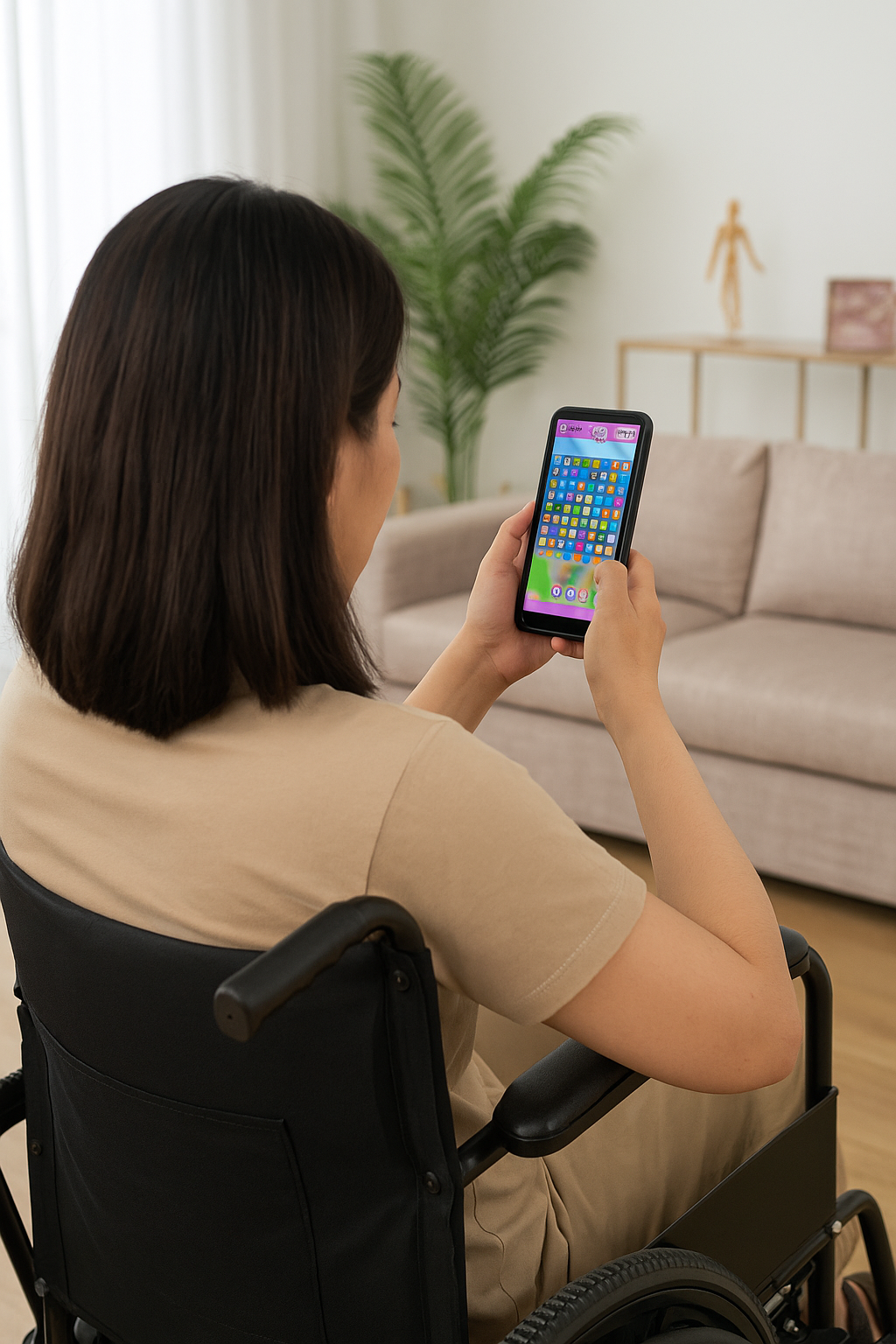
Recovery is about keeping your mind active, too. After my stroke, I had days when my brain felt like it was moving through molasses. Concentration, memory, even basic recall—it all needed a workout.
Back then, I turned to digital games. Candy Crush was my go-to. It sounds silly, but matching candies kept my mind engaged and my focus sharp. I played other puzzle-type games too, anything that made me think just enough without feeling like a chore.
I also went back to rereading Harry Potter. Those stories were familiar and comforting, but the hardbound books were a challenge—literally. Holding them up with only my right arm was tiring and awkward. So, I switched to e-books. Lighter on the hands, easier on the arms, and I could read anywhere without straining.
At one point, I even tried coloring. It was relaxing, but it also worked on coordination and fine motor skills—without feeling like therapy. Just something fun I could look forward to.
You don’t need a rigid mental workout schedule. Pick activities you enjoy. Play games, read, color, do puzzles. The key is consistency. A few minutes each day adds up, and before you know it, your brain starts feeling more awake and ready to take on bigger challenges.
Focus on One Small Goal a Day
In recovery, aiming too big too soon can leave you feeling frustrated. That’s why I started setting just one goal for the day—something realistic and doable with the energy and ability I had.
Some days, that goal was as small as standing for a few extra seconds without holding onto anything. Other days, it was making my own cup of coffee, folding a few pieces of laundry, or even climbing a flight of stairs. They weren’t huge milestones, but they were mine. And they mattered.
It’s easy to compare yourself to where you were before the stroke or to someone else’s progress. But that’s a trap. Instead, think of your recovery like stacking building blocks. Every little action adds to the tower. Skipping the small stuff because it “doesn’t seem like much” only slows you down.
Stay Positive (In a Realistic Way)
Recovery has its good days and rough days. Staying positive doesn’t mean pretending everything’s fine—it’s about focusing on what is going right, no matter how small.
For me, prayer helps a lot. I often listen to Father Luciano Felloni (may his soul rest in peace) and Father Jerry Orbos. Their words keep my perspective grounded and my heart lighter, even when my body feels heavy.
It’s not about ignoring frustration—it’s about balancing it with gratitude. Maybe today your hand moved a little easier, or you finished a task without help. Those are wins worth noticing.
Keep reminders around—uplifting notes on the fridge, music that makes you smile, or even a short video that calms your mind. Positivity is a habit too, and the more you practice it, the more it shows up when you need it most.
Final Thoughts
It’s been 12 years since my stroke, and honestly—who would’ve thought I’d be here today? I’m earning enough, working two jobs, and doing it all from the comfort of home. Recovery didn’t give me my old life back; it gave me a different one—and I’ve learned to make it work for me.
If you’re in the middle of your own recovery, remember: the future you imagine today might be different from the one you get, but that doesn’t mean it won’t be worth it.
So here’s my question for you—what’s one small thing you can start today that might make tomorrow a little better?
 From My Corner of the Couch