


Back when I was still learning English, I didn’t have fancy apps or online classes. What I had were my aunt’s Betamax and VHS tapes—movies she brought home from her job in the Middle East. I must’ve watched Mrs. Doubtfire a hundred times. Not because I planned to “study” it, but because it made me laugh. And somewhere between the jokes and the drama, I started picking up real, usable English.
Now, as a work-from-home mom tutoring Japanese students, I often recommend shows to my students—not just for “extra practice,” but as a legitimate part of their learning journey. Some of them ended up speaking more confidently just from watching a few episodes a week.
So let’s talk about some shows that actually help, and how to make the most of them.
Why TV Shows Help With English Learning
TV shows are one of the easiest ways to absorb natural English without the pressure. Here’s why I often recommend them to my ESL students, especially those juggling school, work, and life.
✅ 1. Real-Life Language in Action
Unlike textbook examples that sound too perfect or robotic, TV shows give learners a front-row seat to how English is actually spoken. You hear hesitation, tone shifts, sarcasm, and even moments of awkward silence—things no grammar guide can fully explain. Students learn not just the words, but how they’re delivered in different situations.
✅ 2. Shorter Than Movies = Easier To Finish
Most of my Japanese students don’t have the time or energy to sit through a full-length movie after a long day. TV shows are a better fit because episodes usually run just 30 to 40 minutes. That’s short enough to squeeze into a break or wind down before bed—without feeling like it’s another task to finish.
✅ 3. Vocabulary Sticks Better in Context
It’s easier to remember a new word when you see it in action. Take “crush” for example. If a student reads it in a list, it might not mean much. But if they hear Joey in Friends say, “You’ve got a crush on her?”—with the tone, facial expression, and setting—it all clicks. That emotional connection helps the word stick without trying too hard.
✅ 4. Built-In Repetition Helps Reinforce Learning
One cool thing about TV shows is that characters tend to repeat the same phrases, especially catchphrases or habits. That repetition works like review—just without the flashcards. Over time, students start noticing patterns, sentence structures, and expressions they can actually use.
How To Use TV Shows Effectively for ESL Learning
Watching a show for fun is one thing—but watching with the intention to learn? That takes a little more strategy. The good news? It doesn’t have to feel like studying. With the right approach, students can turn their favorite episodes into vocabulary lessons, pronunciation practice, and even conversation starters.
Here are a few ways I guide my ESL students to make the most out of their screen time:
1. Start With Subtitles (Then Slowly Let Go)
One of the first things I tell my students: ditch the Japanese subtitles. It might feel easier at first, but relying on their native language keeps their brain from truly switching to English. Instead, turn on English subtitles—and read them even if they don’t understand every single word. That’s okay. The goal isn’t perfect understanding. It’s exposure.
2. Keep a Simple Vocab Notebook
Tell students not to write down everything. Just pick 3–5 words or phrases that stand out in each episode. It could be something funny a character says or a new way to express surprise.
3. Rewatch Short Scenes
Watching a full episode can feel overwhelming, especially when they’re still getting used to how fast people speak. That’s why I always suggest focusing on short scenes. A funny argument, a sweet moment, or even a dramatic meltdown—these clips are packed with real, emotional language that sticks.
If finding those scenes feels like too much work, there’s an easier way: YouTube Shorts and TikTok reels. So many popular shows have short clips already edited and captioned. They’re quick, repeatable, and super easy to sneak into a busy day.
When used with intention—even for just one or two episodes a week, students can seriously boost vocabulary, listening skills, and confidence.
Tutor-Approved TV Show Picks
Not every show is built with language learners in mind, but some are accidentally perfect. These are the ones I recommend the most—not just because they’re fun to watch, but because they’re full of natural expressions, practical vocabulary, and repeatable patterns that stick. Here’s a look at my go-to picks, with standout scenes that are worth replaying and talking about in lessons.
1. Friends

- Level: Beginner to Intermediate
- Why it works: Real-life conversations, casual vocabulary, and lots of repetition. Plus, each character has a unique speaking style.
- What students can learn: Idioms, casual tone, basic humor, and everyday phrases.
- Memorable scene: “We were on a break!”—Ross shouts this iconic line multiple times throughout the show.
- Why it helps: It introduces learners to emotional delivery, emphasis, and how context adds meaning. It also sparks discussion about relationships and miscommunication—great speaking practice.
- Tutor tip: Use this scene to explore stress and intonation. Then ask students what “taking a break” means in different cultures.
2. Modern Family
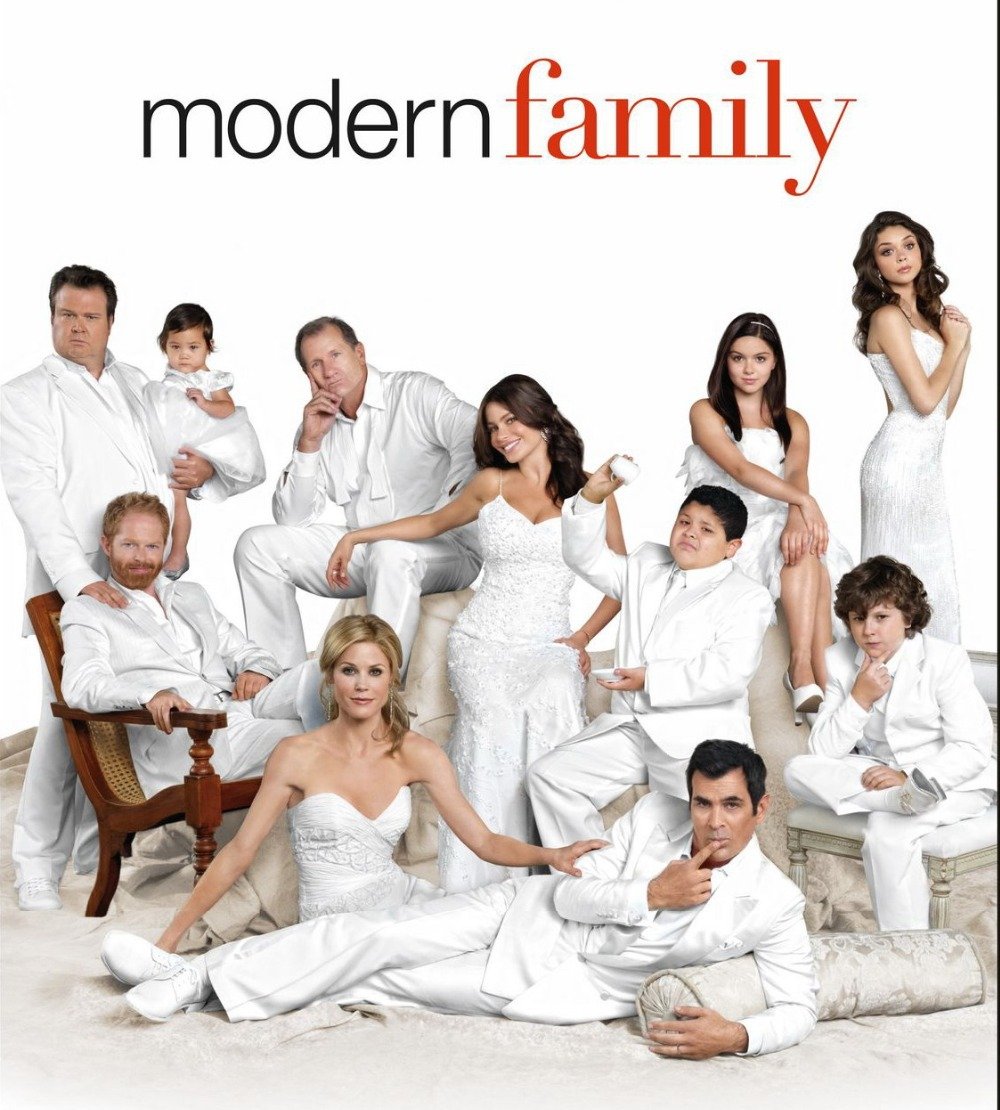
- Level: Intermediate
- Why it works: A mix of fast and slow speakers, relatable storylines, and lots of emotional exchanges.
- What students can learn: Modern slang, sarcasm, exaggeration, and different tones of speaking.
- Memorable scene: Phil Dunphy’s “peerenting” speech where he blends the words “peer” and “parent.”
- Why it helps: It’s a funny way to introduce wordplay, and students can learn how native speakers mix humor with serious advice. Great for talking about parenting or family roles.
- Tutor tip: Have students write their own “parenting advice” using expressions they heard in the show.
3. The Good Doctor

- Level: Intermediate to Advanced
- Why it works: Shaun’s speech is clear, direct, and often slower than the rest of the cast. Emotional scenes are great for listening and discussion.
- What students can learn: Empathy-related language, clear enunciation, and emotional vocabulary.
- Memorable scene: Season 1, Episode 1—Shaun explains why he became a doctor during the interview.
- Why it helps: It’s packed with polite, formal language mixed with deep emotional expression. Also great for teaching storytelling and answering “why” questions in English.
- Tutor tip: Ask students to reflect on their own dream job using similar sentence structures.
4. Brooklyn Nine-Nine

- Level: Advanced
- Why it works: Quick exchanges, slang, and sarcasm galore. It’s fast, but that makes it useful for high-level learners.
- What students can learn: Jokes, office lingo, sarcasm, and group conversations.
- Memorable scene: “Cool cool cool cool… no doubt no doubt.” – Jake’s go-to phrase when he’s panicking but trying to look calm.
- Why it helps: This shows how tone completely changes the meaning of a repeated phrase. It’s also a fun way to talk about how native speakers use filler words to hide nerves or pretend they’re okay.
- Tutor tip: Let students mimic Jake’s line with different emotions (nervous, excited, sarcastic) to show how delivery affects meaning.
5. The Big Bang Theory

- Level: Advanced
- Why it works: Academic meets awkward in the best way. Sheldon’s formal language contrasts with Penny’s casual speech—great for showing learners the range of English styles.
- What students can learn: Academic vocabulary, sarcasm, and informal phrases used in social settings.
- Memorable scene: “Bazinga!” – Sheldon’s catchphrase after telling a joke.
- Why it helps: This moment highlights cultural phrases, timing in humor, and playful speech. Students also hear how jokes aren’t always about the words—they’re about when and how you say them.
- Tutor tip: Discuss sarcasm and ask students to try making a light-hearted joke in English.
6. Young Sheldon

- Level: Intermediate to Advanced
- Why it works: The narration is clear, and the storyline moves slower than most sitcoms. You also get a taste of Southern American English and family-centered dialogue.
- What students can learn: Formal vs. informal language, tone changes, school-related vocabulary.
- Memorable scene: Young Sheldon refusing to go to church and explaining it scientifically.
- Why it helps: It’s a great example of persuasive speaking with emotional undertones. It also introduces vocabulary from science and religion in a respectful, balanced way.
- Tutor tip: Use this as a model for debate practice or forming an opinion politely in English.
Each of these shows brings something different to the table—whether it’s laugh-out-loud moments, heartfelt conversations, or just simple, everyday English that students can actually use. The key is to pick a show that fits their level and keeps them coming back for more.
Common Mistakes To Avoid
Using TV shows for English learning is a smart move—but only if it’s done right. I’ve seen a lot of students excited at first, then quietly frustrated because they weren’t seeing results. Often, it’s not about the show—it’s about how they’re watching it. Here are a few mistakes I always tell my students to watch out for:
❌ 1. Trying To Understand Every Word
It’s tempting to pause every few seconds and look up unfamiliar terms—but honestly, that kills the flow. The goal isn’t to understand 100%—it’s to get the general meaning. Encourage learners to let some words go and focus on what’s happening in the scene. Chances are, they’ll figure things out through context later on.
❌ 2. Watching Passively Without Engaging
If a student just watches a show like background noise while doing chores or scrolling on their phone, they’re not really learning. Watching passively might improve their listening a little, but it won’t help with vocabulary or comprehension. I always suggest being intentional: take notes, repeat lines, or pause to think about what was said.
❌ 3. Jumping Into Advanced Shows Too Soon
Some learners go straight to fast-paced dramas or shows with heavy slang, and they end up feeling overwhelmed. I recommend starting with shows that match their level and slowly moving up. Confidence matters. It’s better to fully enjoy a show that’s slightly easy than to get lost in one that’s too hard.
With just a few small changes in how students watch, they can turn a fun episode into a solid language lesson without even realizing it.
Final Thoughts
Sometimes, the best learning happens when you’re not trying so hard. A few good shows, the right mindset, and a little consistency can go a long way. If you’re guiding students—or learning yourself—why not turn screen time into something that sticks?
Got a favorite English show that helped you or your student speak more confidently? Share it—you never know who might need the recommendation.
 From My Corner of the Couch