

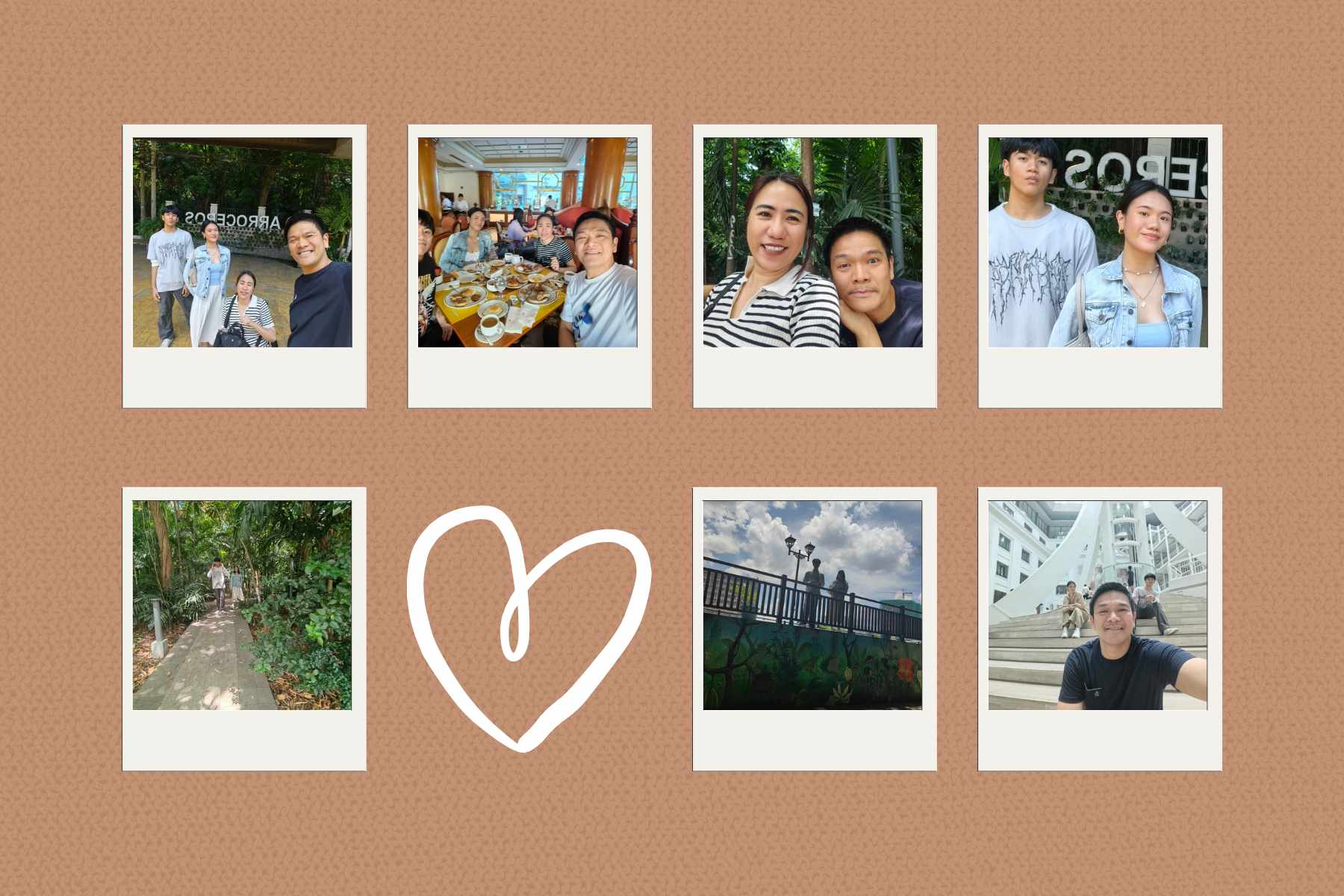
A few weeks ago, I wrote a blog about how to make your summer memorable as a family. This trip? It might not be the most epic adventure out there, but for us, it’s definitely one for the books.
We didn’t travel far. No airport lines, no overnight bags, no detailed itinerary. Just a simple plan: spend the day exploring a few spots in Manila we’ve either overlooked or haven’t visited yet. It was more of a “let’s finally go” kind of day than anything else. And honestly, those are usually the ones that stick.
From science-filled halls to quiet green corners, old stone paths to streets packed with flavor—every place we visited had its own charm. And somehow, all together, they turned a regular summer day into something surprisingly special.
This is us taking snapshots—of places, yes, but also of time spent together. And those are the memories that matter most.
National Museum of Natural History – Wonder at Every Turn
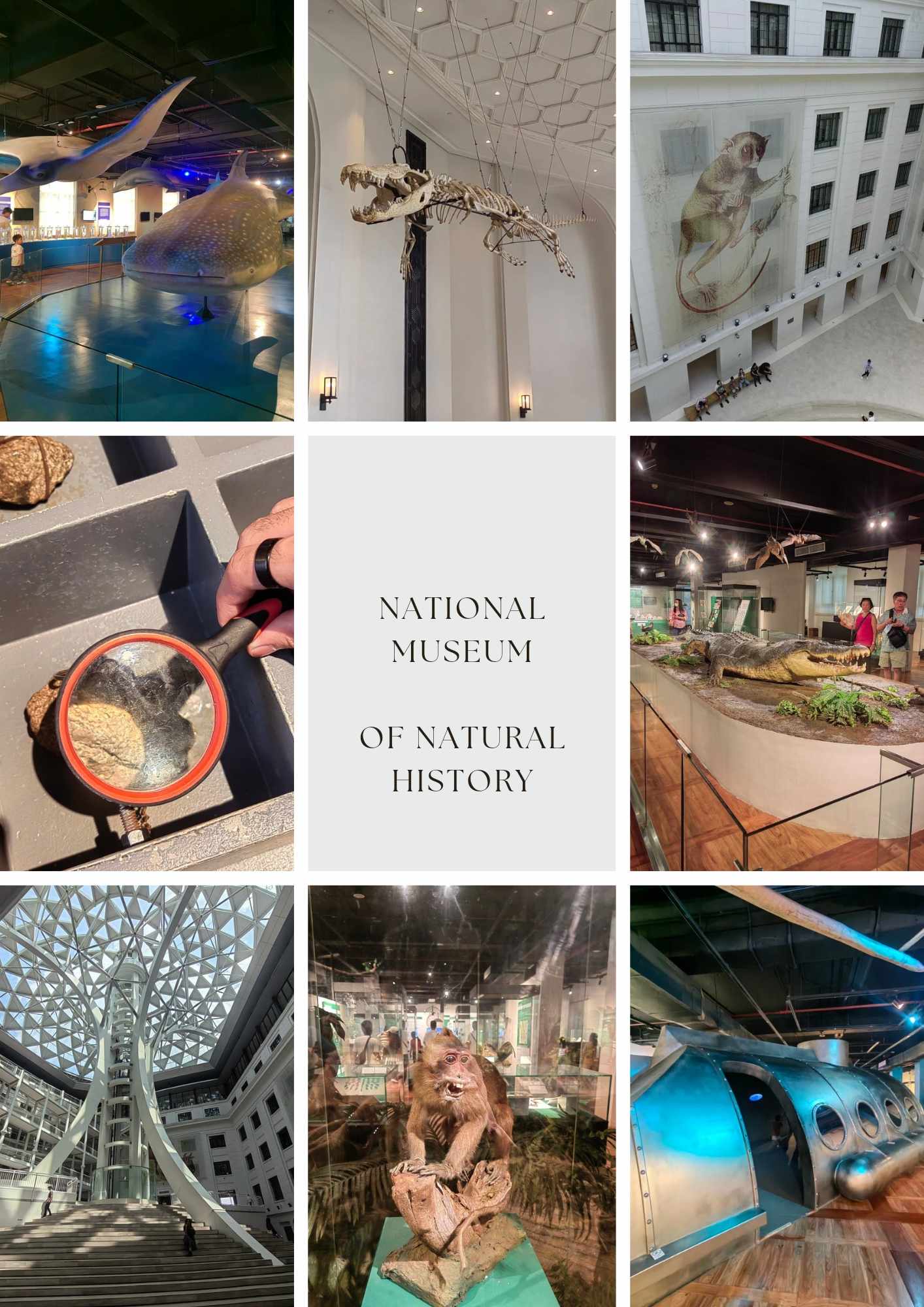
Two years ago, we visited the National Museum of Fine Arts and left with full hearts—but also with a bit of unfinished business. The Natural History building was still under renovation then, so we didn’t get the chance to explore it. Since that day, we’ve been meaning to come back. This summer, we finally did—and we were especially looking forward to meeting Lolong.
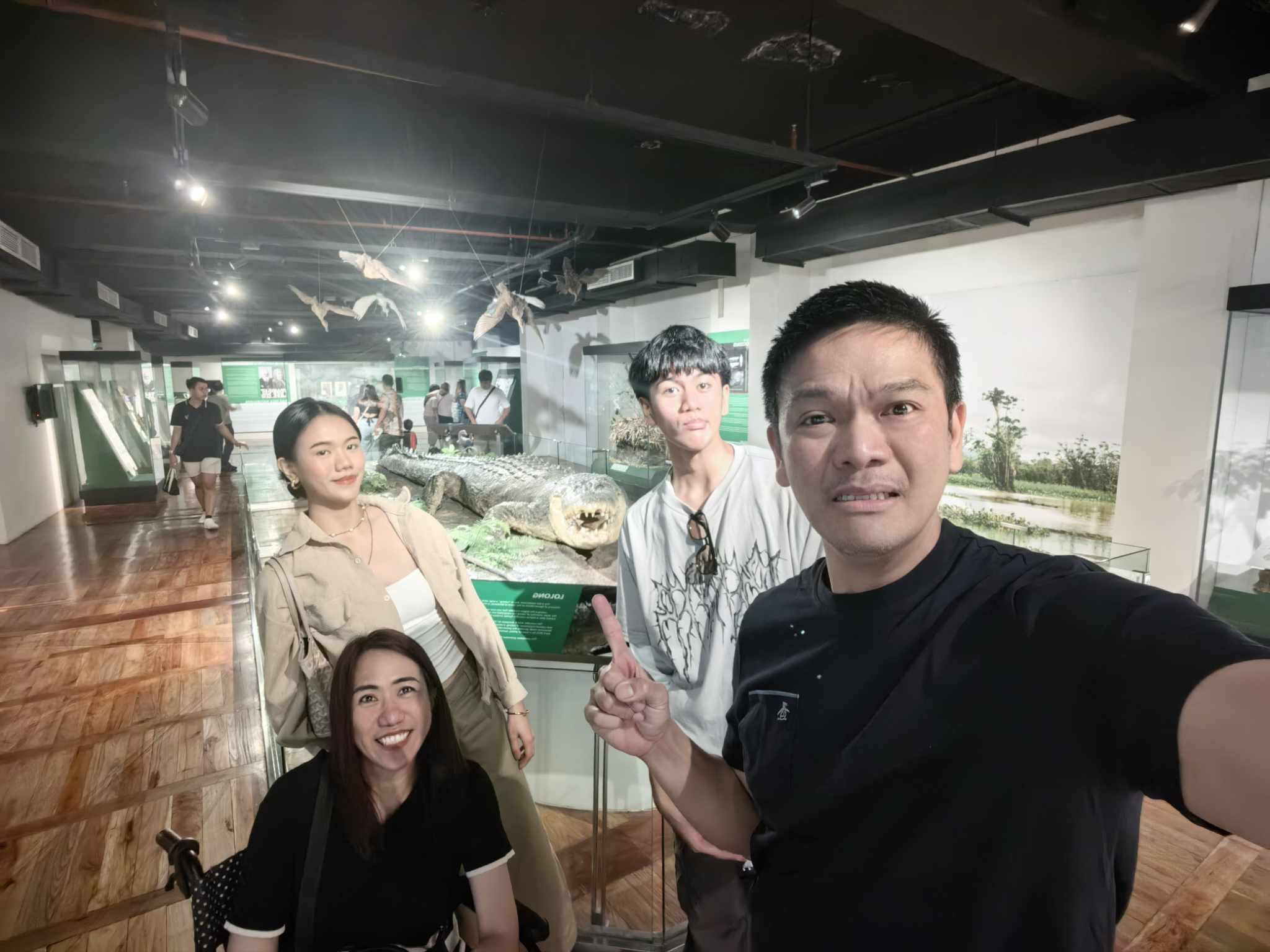
Now, if you haven’t heard of him, Lolong was the world’s largest captive saltwater crocodile, stretching a jaw-dropping 6.17 meters long and weighing over a ton.
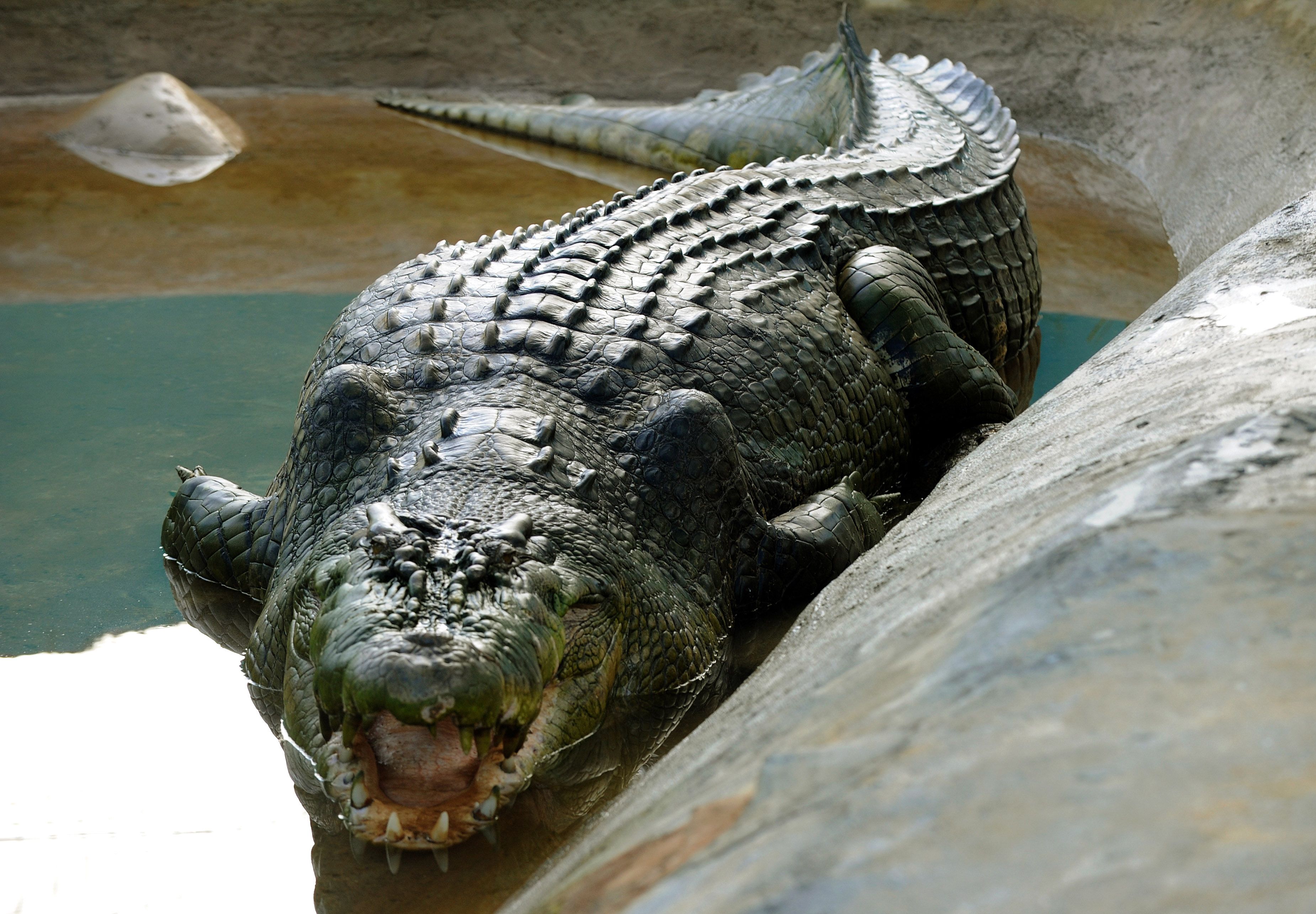
“Lolong” Image courtesy of CNN.com
Captured in Agusan del Sur in 2011, he sadly passed away in 2013, but he’s been preserved and now rests at the museum as one of its most famous exhibits. Seeing him in person was both fascinating and a little surreal. Experts preserved and taxidermied his skin, while his skeleton hangs in the museum’s main lobby.
The best part? Entry is completely free. There’s also nearby parking, which made everything easier, and the museum staff were genuinely kind. Whenever we needed help—directions, tips, anything—someone was ready to assist us with a smile. I was expecially touched by the remark of one of the lady guards who assisted us “ Ang kayamanan lang namin ay mga bisitang tulad nyo”
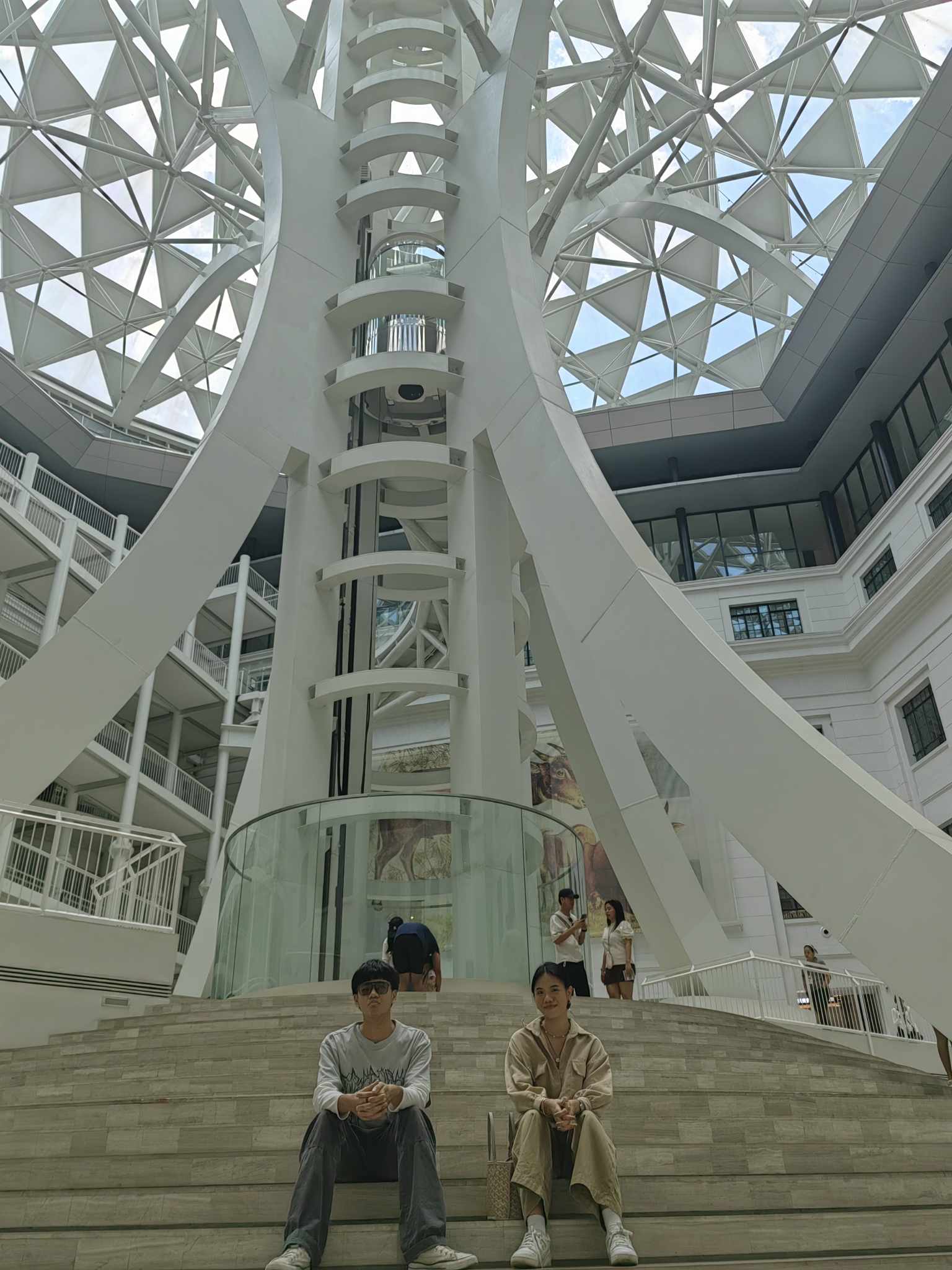
Once you step inside, you’re welcomed by this massive open space bathed in natural light, thanks to the transparent ceiling above. Right in the center stands a striking glass structure known as the “Tree of Life”—an elevator tower that looks like it belongs in a movie set. It’s hard to miss and sets the tone for what’s to come.
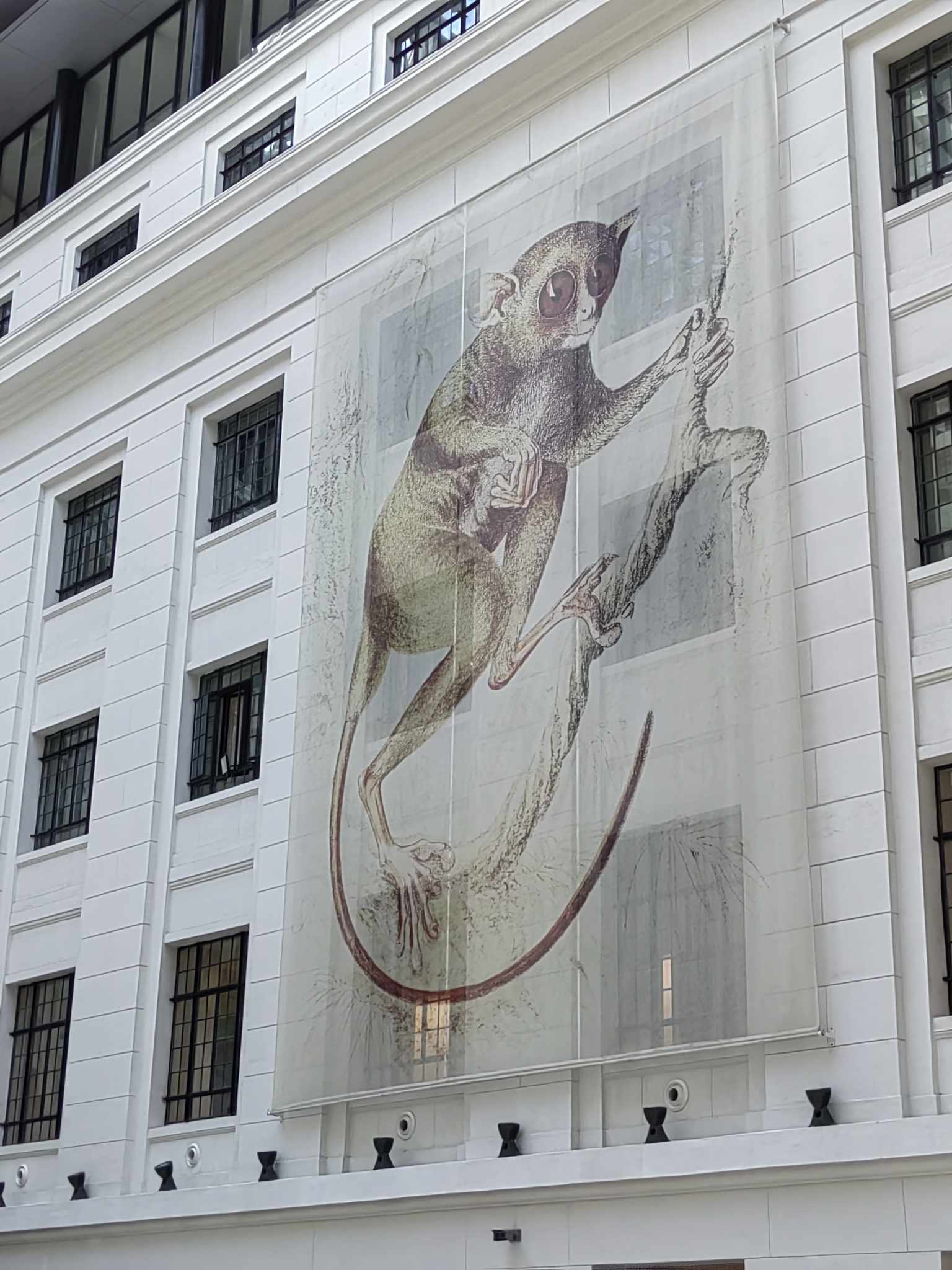
The lobby also features large, illustrated fabrics showcasing iconic Philippine wildlife like the tamaraw and the tarsier. These displays pull you into the country’s biodiversity story even before you step into the galleries.
Ideally, you should start from the topmost floor and work your way down. The exhibits are arranged that way for a reason—it gives you a smooth flow through different ecosystems, from forests to oceans, and lets the entire story unfold floor by floor. Taking the Tree of Life elevator all the way up and walking your way back down makes the whole experience feel like a well-paced journey through nature.
Intramuros – Footsteps Through the Past
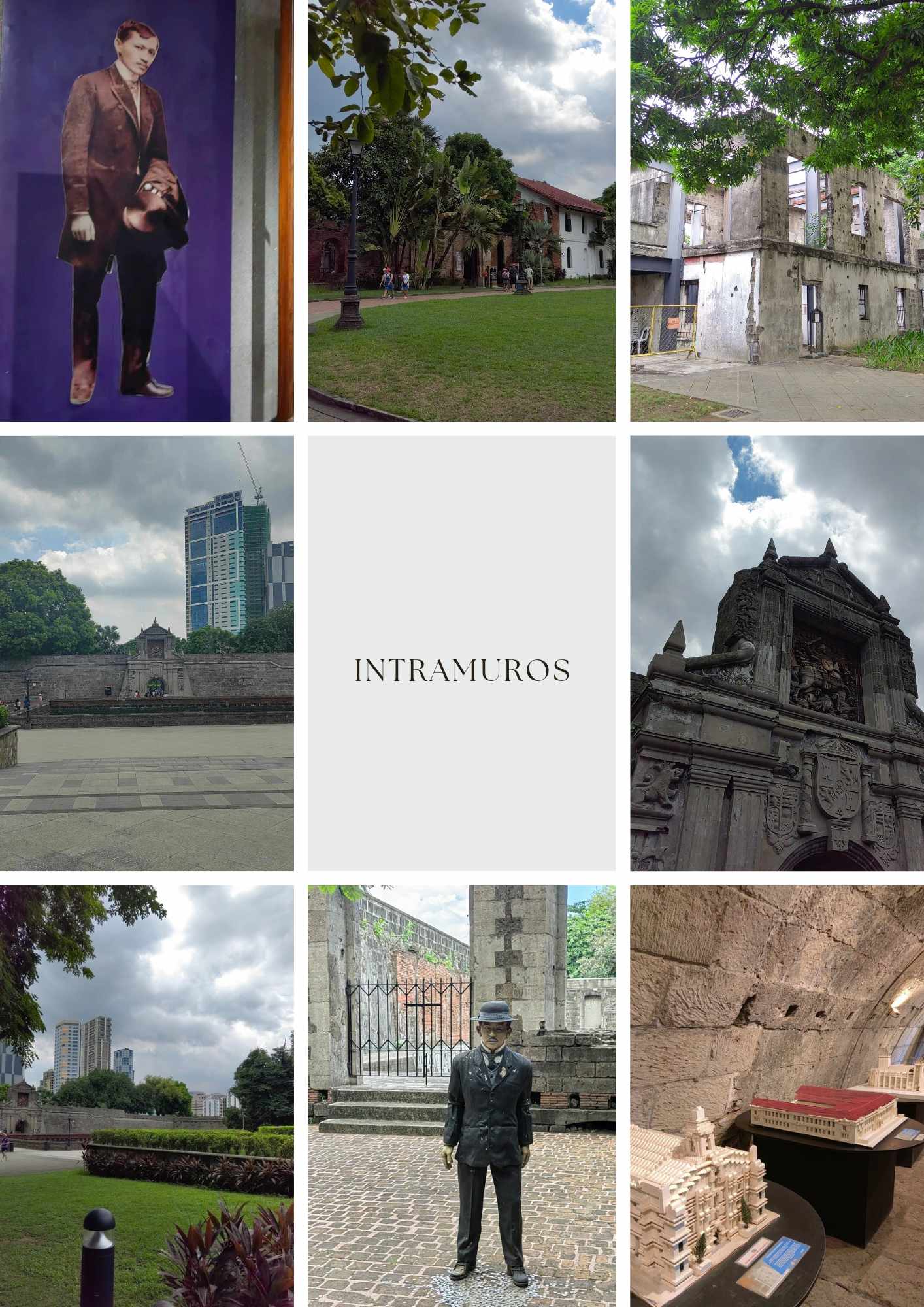
One of the things I’ve secretly been excited about? Trying the Starbucks inside Intramuros. I know—it’s just coffee. But there’s something cool about sipping an iced latte while surrounded by centuries-old walls. Sadly, it was already closed when we went. 😔😔
Still, Fort Santiago in Intramuros didn’t disappoint.
Walking through the gates immediately brought flashes of Pulang Araw to mind. I could almost picture Alden Richards racing through the stone paths, dodging bullets and battling invaders. That mix of fiction and history made the whole place feel alive in a different way.
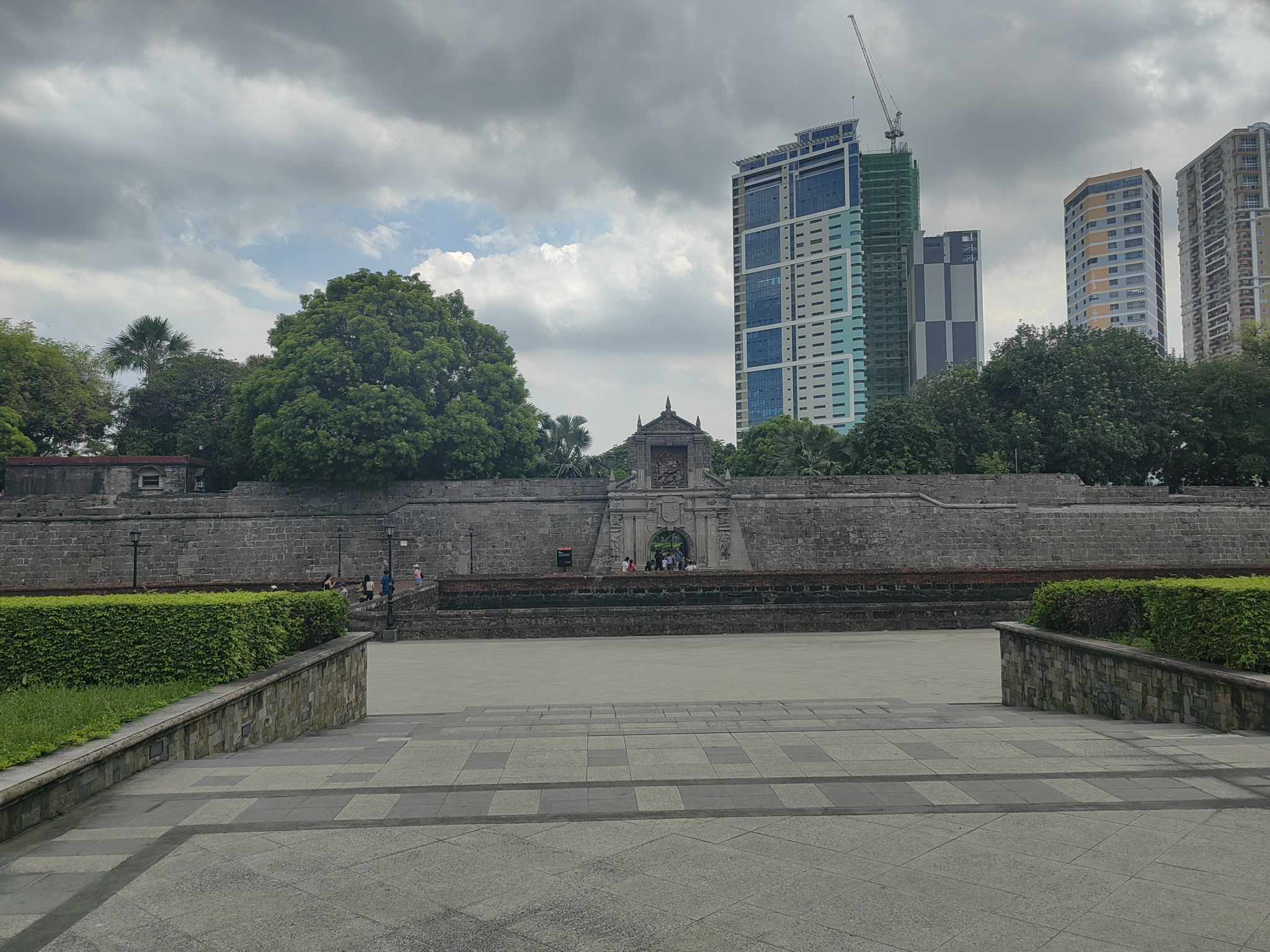
Entrance costs ₱70 per head, but seniors, PWDs, and students get a discount—so don’t forget your IDs. There’s a parking area right outside the gate, and it’s reasonably priced at ₱50. A few tour guides were offering walking tours, but we decided to go DIY. Honestly, there’s enough signage around to help you appreciate the place at your own pace.
By the entrance, you’ll also find shops selling cold drinks and snacks—perfect if the heat gets a bit much.
Some areas had steps and uneven walkways I couldn’t manage, so we let the kids explore on their own for a bit while we stayed on the more accessible paths. We spent our time reading the informative posters and quietly taking in the atmosphere. It’s a mix of solemn and beautiful.
We also visited Museo ni Rizal, tucked inside the fort.

There, I saw the dim, narrow cell where José Rizal spent his final days. Something about that space hit me hard. Just imagining him writing in the dark, knowing what was coming—it left a tinge of pain in my chest. It’s one thing to read about it in books; it’s another to stand where he once stood and feel the weight of it.
We also saw a photograph of Rizal’s skull, a haunting reminder of how real his story was, and a piece of his clothing carefully preserved through time. Seeing those items—tangible and fragile—was deeply moving. It brought everything closer, made it feel personal.
Fort Santiago has this way of making you pause. It doesn’t shout its stories—it lets you walk through them.
Arroceros Park – A Breath of Calm in the Middle of It All
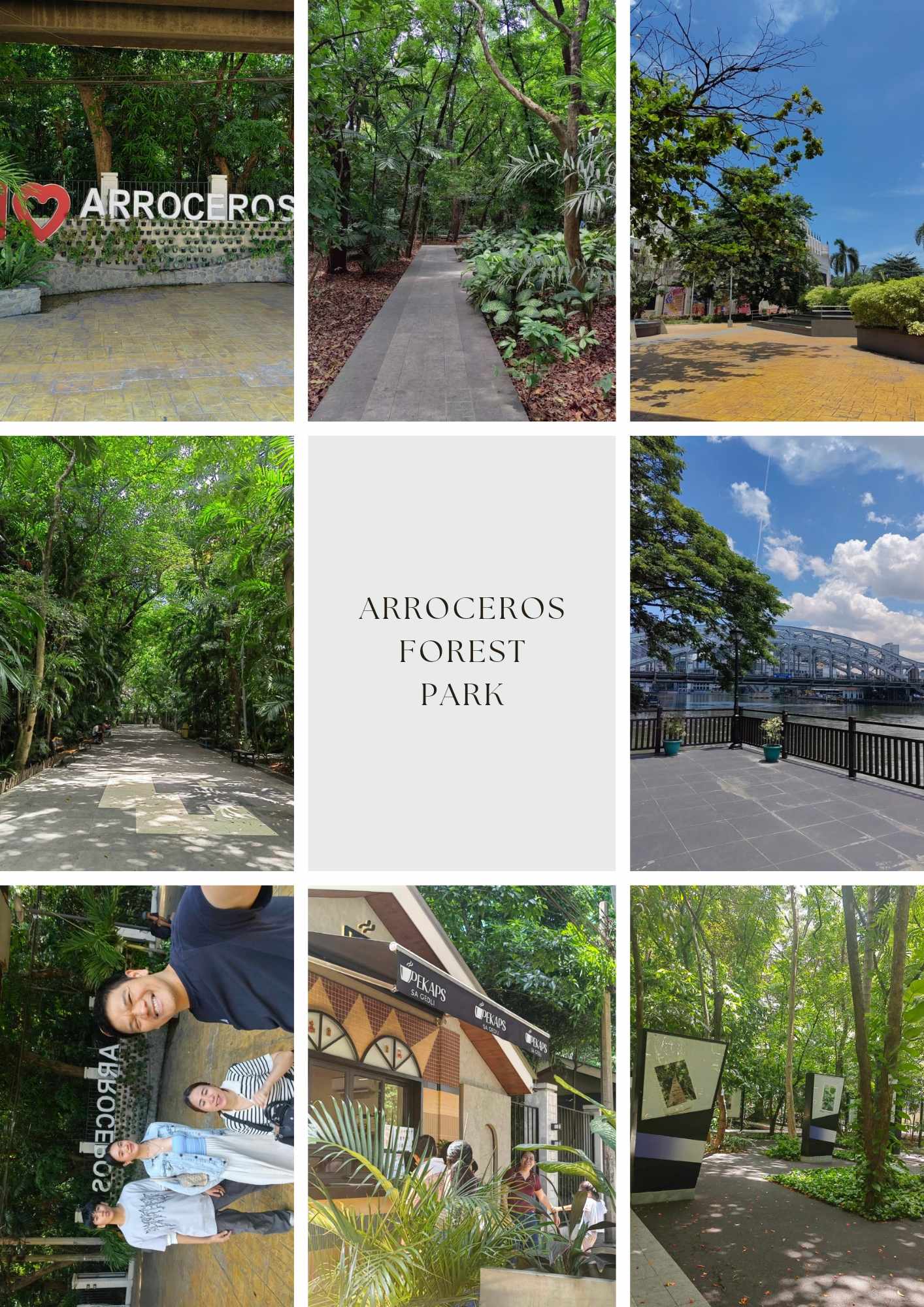
On our second day, we decided to slow things down and end our little adventure with something peaceful. So we headed to Arroceros Park, often called the last lung of Manila. It’s not as hyped as other destinations, but that’s exactly why we chose it. Sometimes, the quiet places are the ones that stay with you.
The park sits near the edge of the Pasig River and has become a quiet escape in the heart of the city. It’s a preserved urban forest, home to over 60 species of trees and countless birds. The moment we stepped in, the air felt cooler, cleaner—like the city noise had turned itself down.
You could hear birds chirping under the thick canopy of Molave and Bangkal trees. Sunlight peeked through the leaves just enough to warm your face but not burn your skin. And there was a gentle breeze—one of those rare city moments when everything just feels right.
We walked over to the koi pond, and to my surprise, we spotted white koi. It was my first time seeing koi that color—graceful and almost glowing under the water. The kids leaned in, trying to count how many swam near the edge. They lost count, but their faces said it all.
One of the best things? It’s wheelchair-friendly. The paved paths made it easy for me to roam without too much effort. We didn’t rush. We didn’t even talk much.
Arroceros might not make it to every travel guide, but for us, it was the perfect pause button before heading back to reality.
Ongpin – Flavors, Colors, and Culture in Every Bite
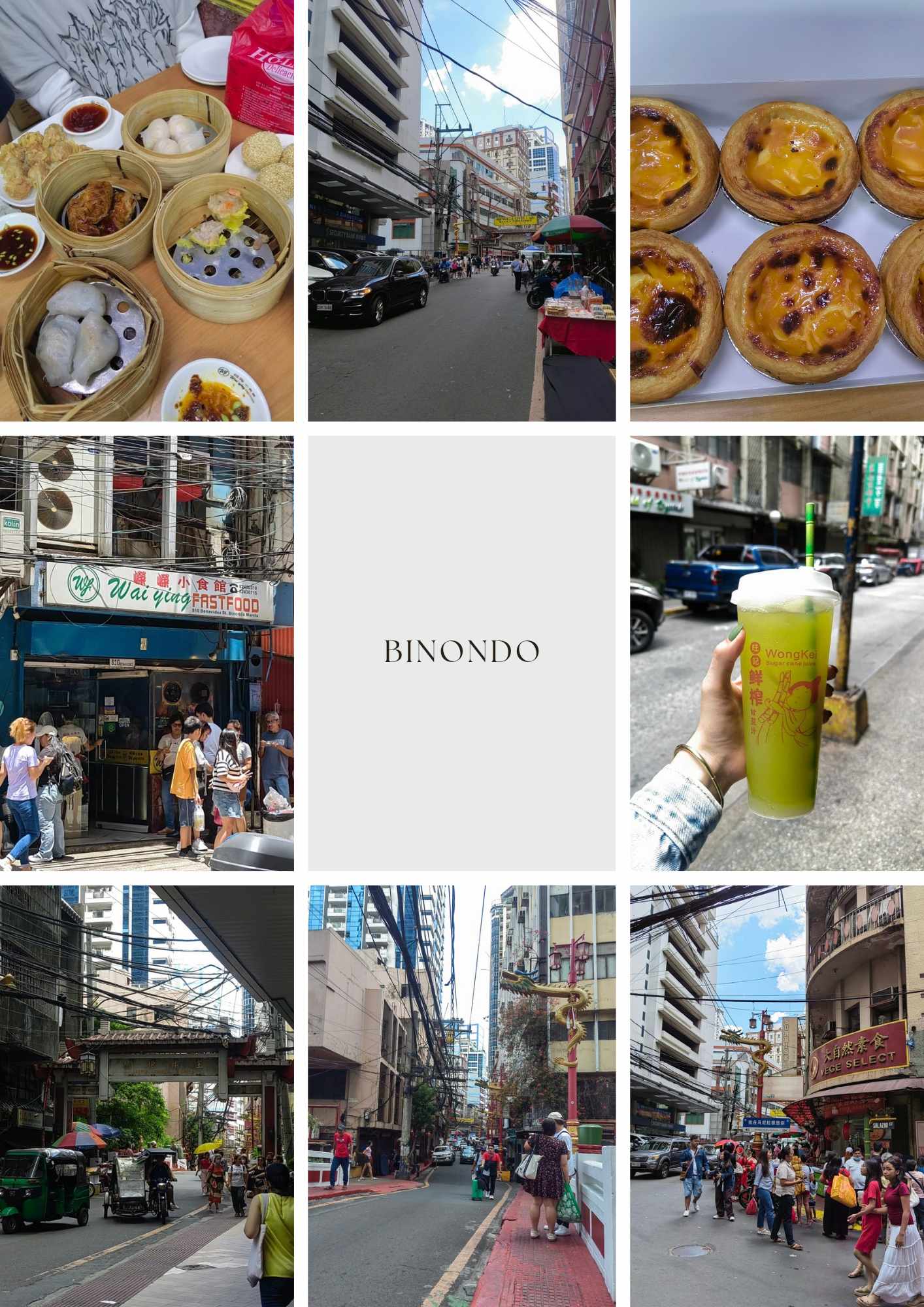
Before our trip, we did what any hungry family would do—we binge-watched TikTok videos to get the lowdown on where to go and what to try in Ongpin. With so many food spots packed into those busy streets, it felt like a mini treasure hunt. And while not everything lived up to the hype, the experience definitely kept us on our toes.
🥤 Let’s start with the sugarcane juice.
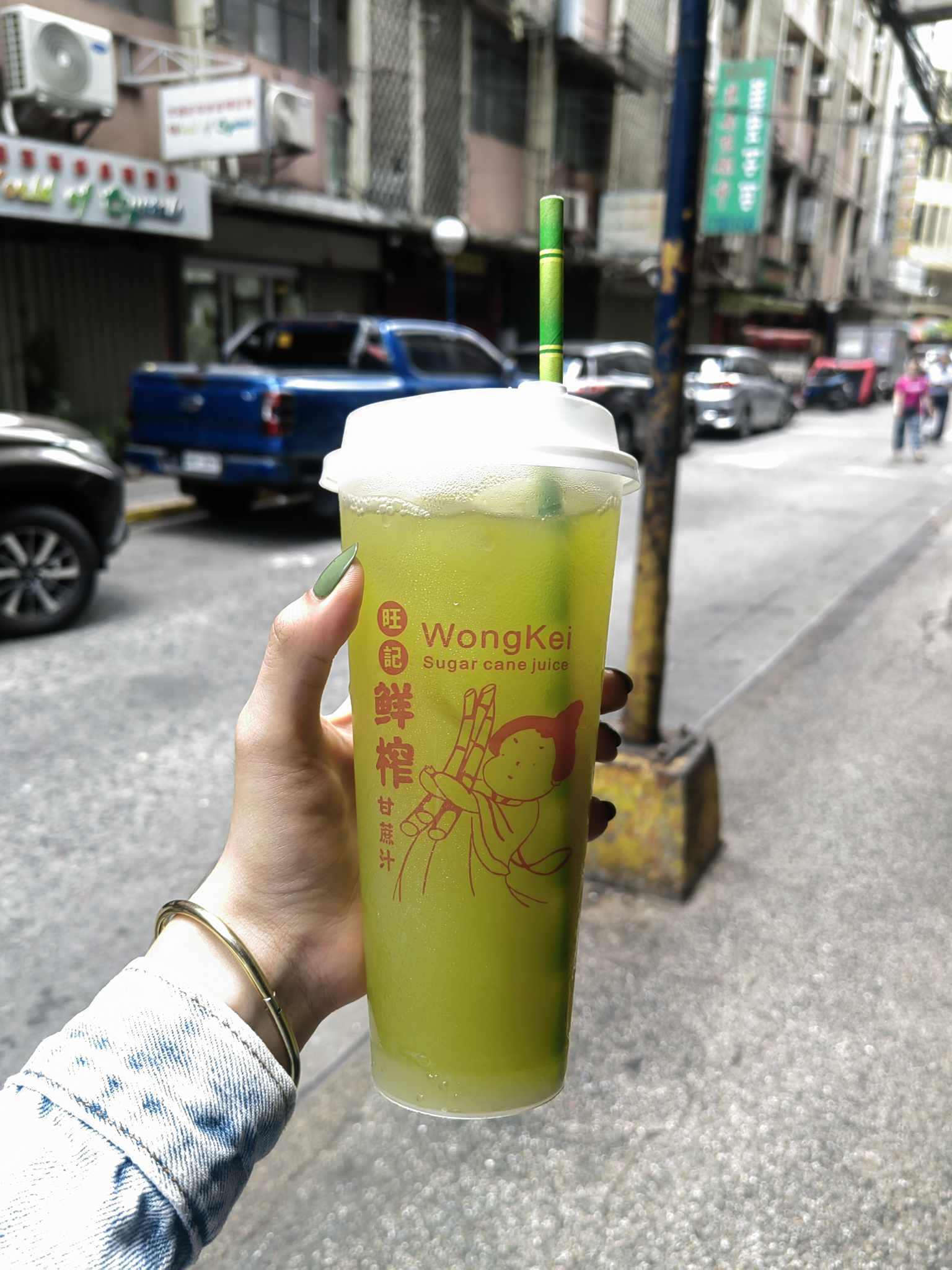
It was ice-cold, alright. Super refreshing to hold. But the taste? Not for me. It didn’t really satisfy or cool me down the way I hoped. For ₱100, I expected something with more flavor or at least something a little special. But again—just my personal take. Some folks might love it.
🍜 Then came Wai Ying.
We had high expectations for this one. So much so that we waited more than an hour in line under the sun. One influencer raved about their fried wontons, so we gave them a shot. They were okay—crispy and flavorful—but not as magical as we were led to believe. We also tried the beef and wonton noodles. Decent, but if I had to line them up next to Ling Nam, Le Ching, or even Super Bowl of China, this one would sadly fall to last place.
The bean curd roll and hakaw were part of the order, too, but let’s just say we’ve had better—especially from King Chef. We didn’t finish everything, and the rest ended up being dinner at the hotel. Not a total fail, but not what we hoped for either.
🍥We also planned to try Binondo Bites’ XiaoLong Bao,
but when we saw the line, we decided to save it for another day. Ongpin had already tested our patience for queues.
🥮For pasalubong, we went with Holland hopia.
We skipped Eng Bee Tin and Polland since they’re everywhere these days—SM included. Holland felt like a nice change, and it had that old-school hopia vibe we were looking for.
🥧Now here’s the real winner: Lord Stow’s egg tarts.
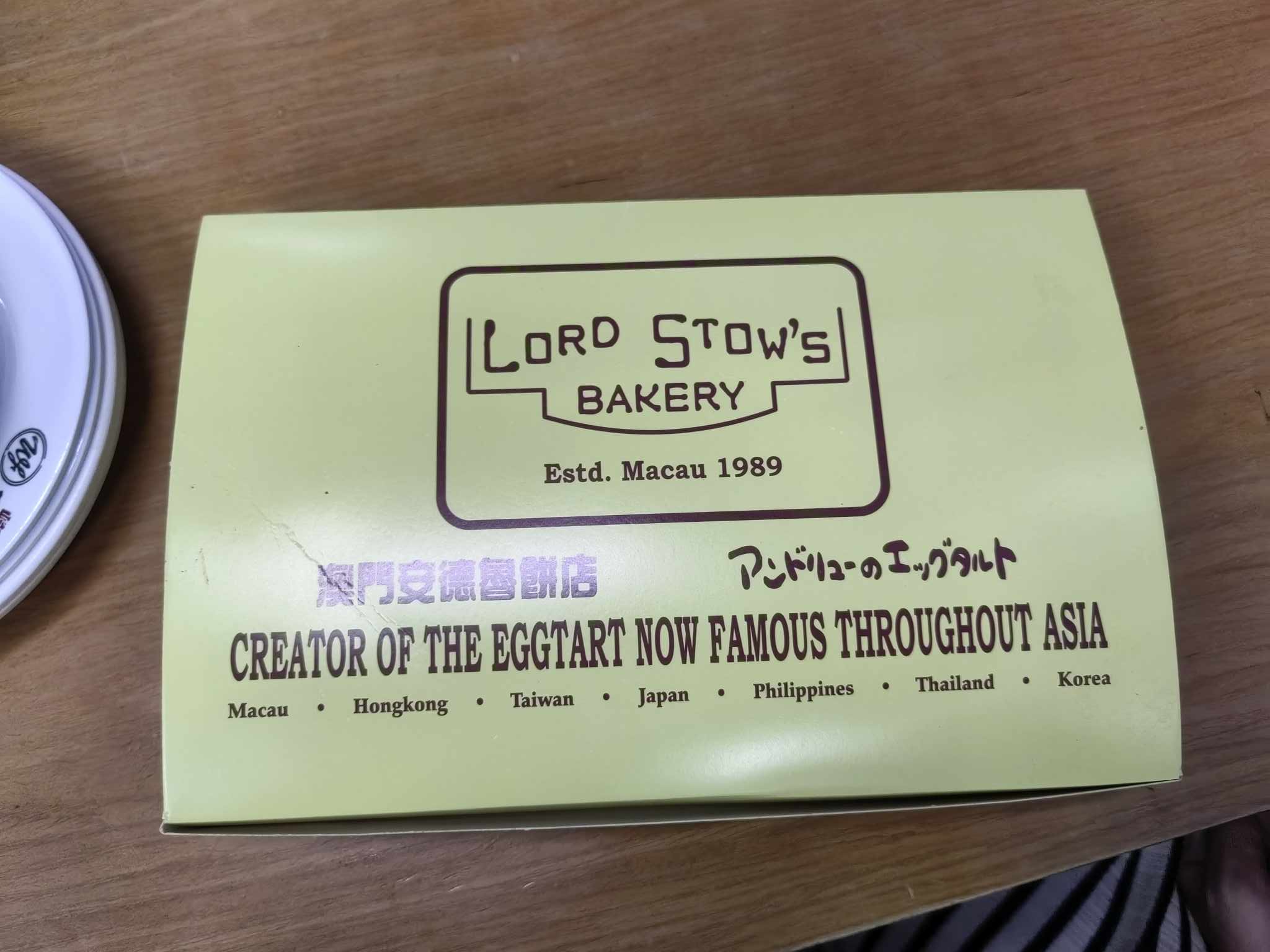

These were amazing—golden, creamy, and even better the day after. Somehow, the flavor deepened overnight, and the custard turned even silkier. It was one of those quiet, unexpected highlights of the whole food crawl. Per piece is about P55. It was worth it.
🚦Speaking of surprises, here’s one that wasn’t food-related—just a friendly heads-up.
Be extra cautious at the intersections around Ongpin. There’s a high chance a Manila traffic enforcer (in blue) is lurking in the background, ready to pounce—especially near the church. We learned the hard way. There’s a traffic light tucked under the thick canopy of a huge tree, and yep, we missed it. It wasn’t exactly visible. Next thing we knew… surprise! Ticket. Lesson learned. LOL.
So yes—Ongpin gave us a mix of flavors, footwork, and a little drama. Not everything was perfect, but the day was still one we’ll remember (and laugh about) for a long time.
Where We Stayed – Manila Prince Hotel
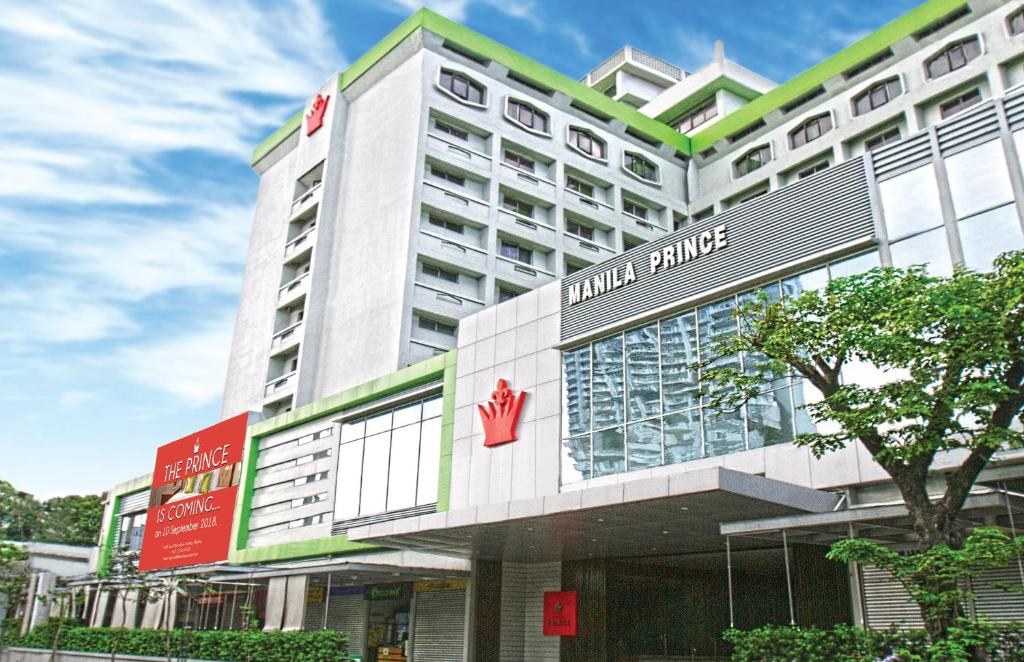
Image taken from the hotel’s website
After a full day of walking, eating, and exploring, we needed a place that was clean, comfy, and close enough so we didn’t have to deal with Manila’s legendary traffic again. Manila Prince Hotel turned out to be the perfect home base.
The location was spot-on—just a quick drive from all the spots we visited, with convenient parking right on-site. It’s also surrounded by plenty of food options. Right outside, you’ll find stalls and restaurants like Zark’s, Kim’s RamYeon, BonChon, Pick Up Coffee, and more. So if you get hungry late at night (or just feel like rewarding yourself after walking 10,000 steps), there’s no shortage of choices.
The rates were surprisingly affordable at only P2,500/night, and the rooms? Immaculate. We had a spacious room with two big double beds that were so comfortable it was hard to get up the next morning. There was also a TV with cable, perfect for relaxing while the kids argued over channels. The bathroom had a tub—always a plus when you just want to soak and unwind—and the water pressure was strong and consistent. Big win.
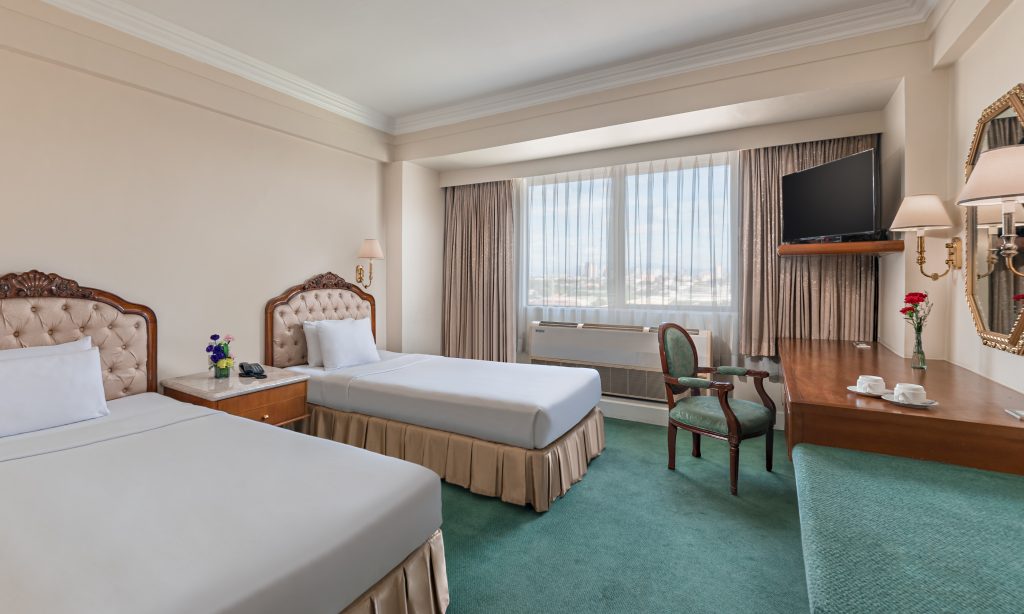
Image taken from the hotel’s website
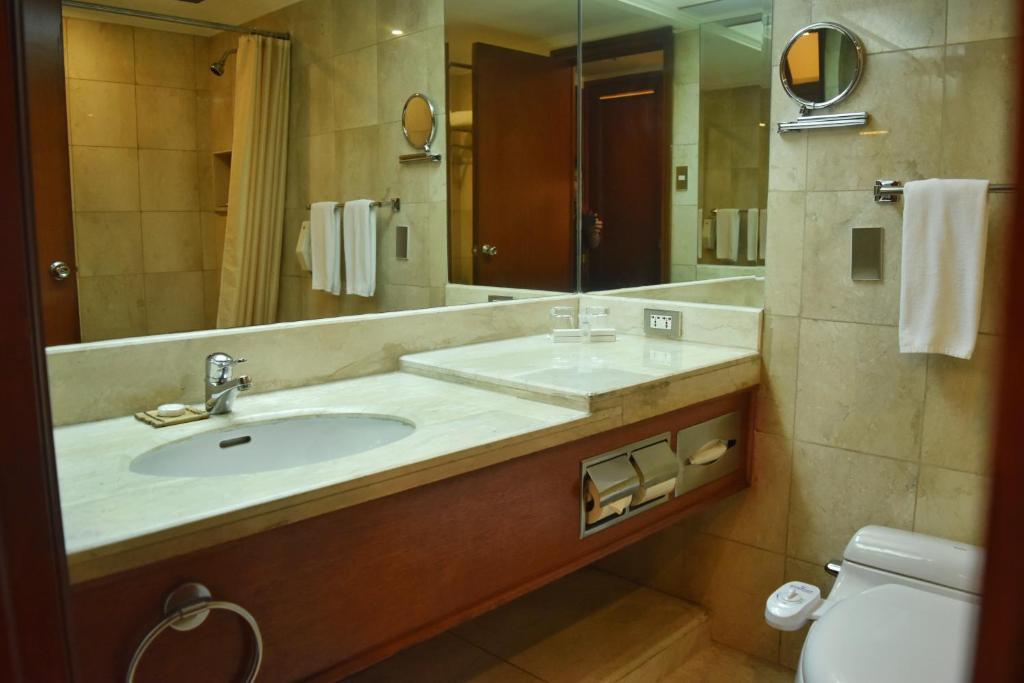
Bathroom image taken from readytotrip.com
Service was excellent, too. The staff were all accommodating and genuinely courteous—ready to help, no stiff formalities, just that warm Filipino hospitality. It’s no surprise, though, since the hotel is managed by the same people behind Manila Hotel, so you can expect top-notch service without the intimidating rates. They also have a gym and swimming pool, but we didn’t get to try them—we were already too tired by then.
We also enjoyed the breakfast buffet, which was already good for two, and we only had to pay ₱600 per extra person. And honestly? It was worth every peso. There was bacon (which already made me happy), an omelette station, fried rice, breads, fruits, salad, and a variety of drinks. It was the kind of breakfast that makes you forget you’re not on vacation for a whole week.
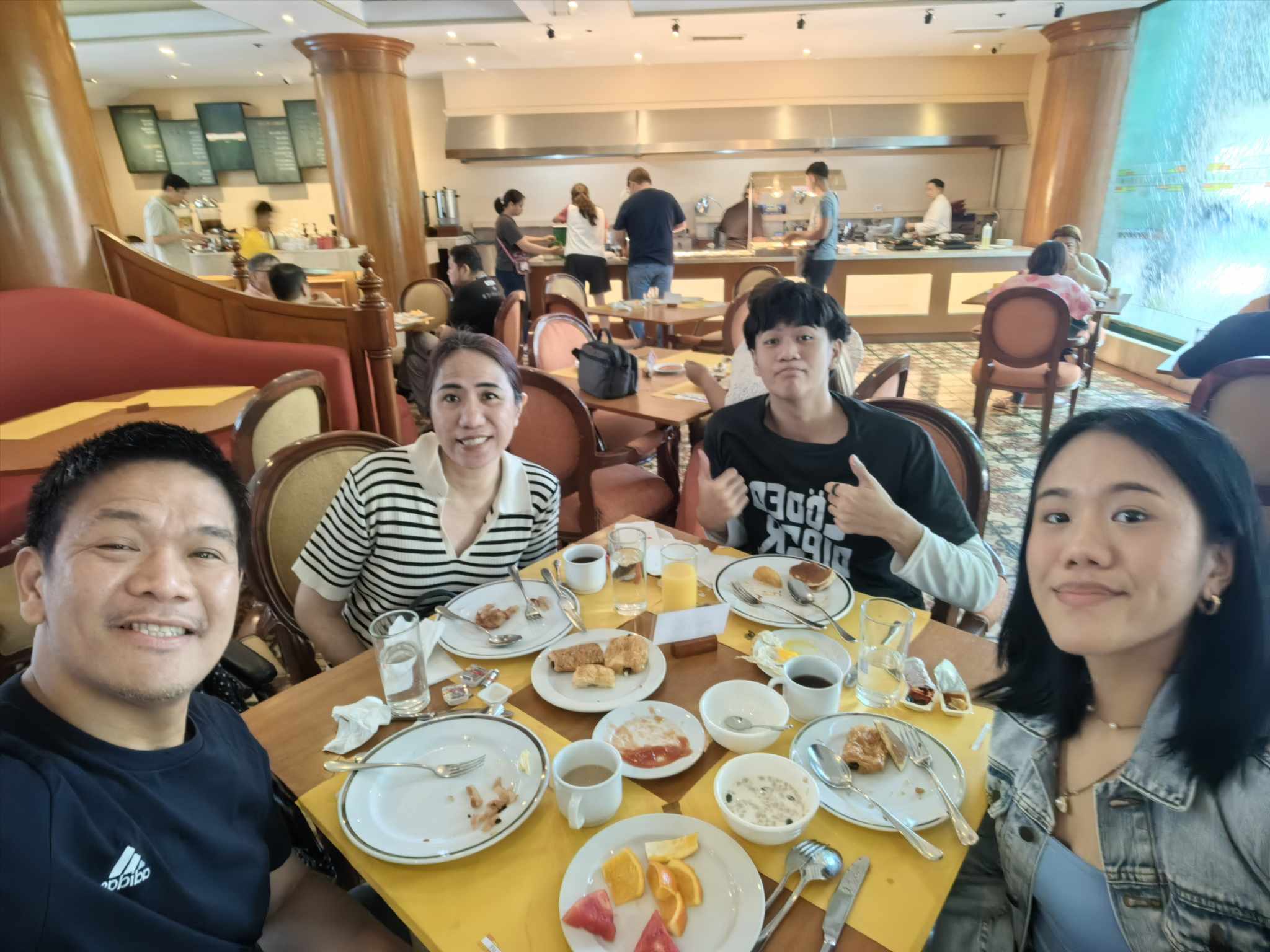

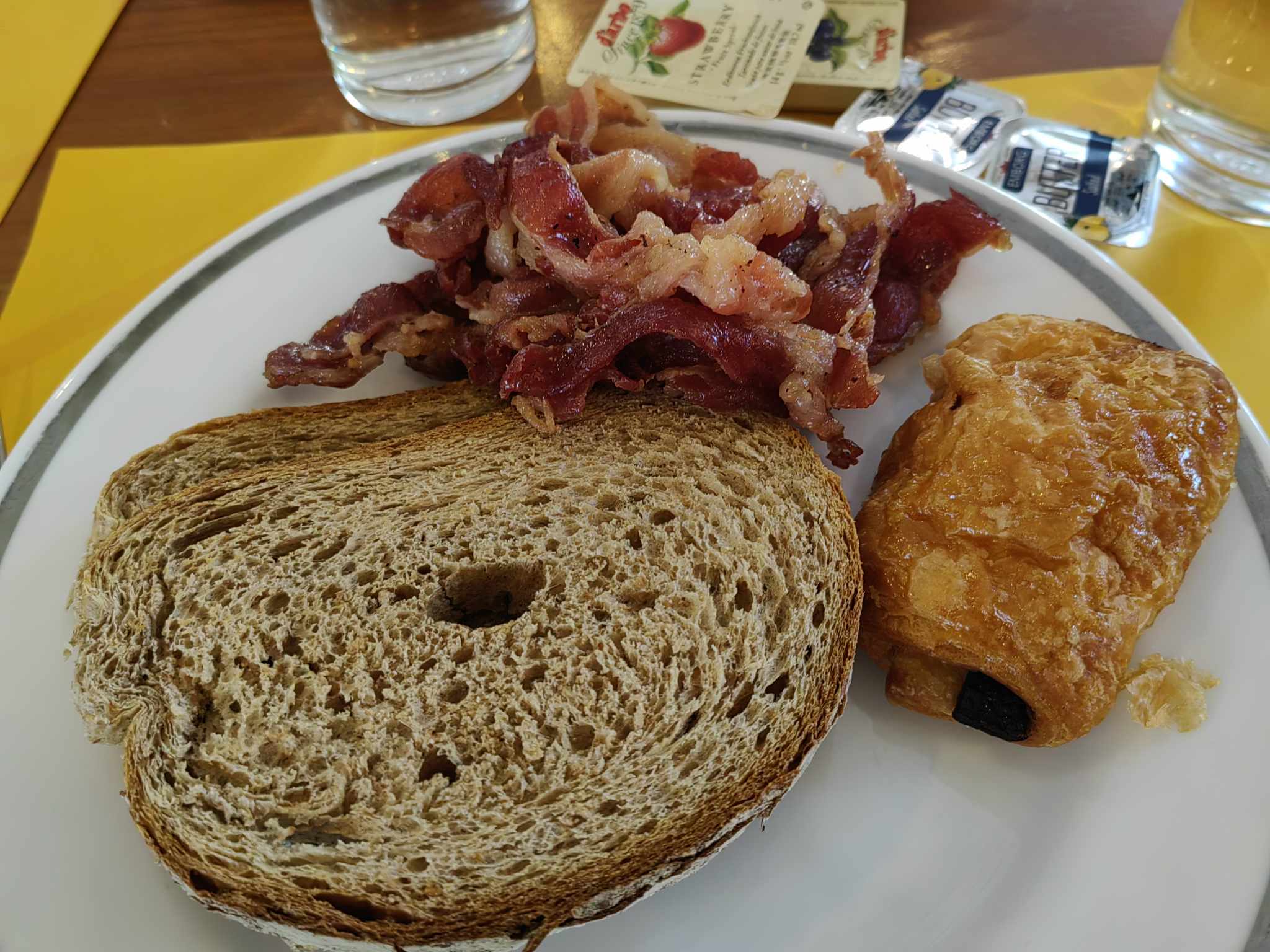
If we ever find ourselves in Manila again for another cultural escapade or food crawl, we’d book here without hesitation.
Final Thoughts
A summer vacation doesn’t have to be extravagant or lengthy to be meaningful. It also doesn’t need to cost a fortune. Sometimes, all it takes is a bit of planning, a curious spirit, and the people you love tagging along.
If you’re like us—working with a budget but still craving quality time—this kind of escapade might be just what you need. It’s proof that you don’t have to go far to create memories worth keeping.
What local spot have you been meaning to visit but keep putting off? Maybe it’s time to finally go.
 From My Corner of the Couch