

⚠️ Spoiler Alert
This review contains significant plot details and character developments from Move To Heaven. If you haven’t watched the series yet and wish to avoid spoilers, please consider viewing it before reading further.
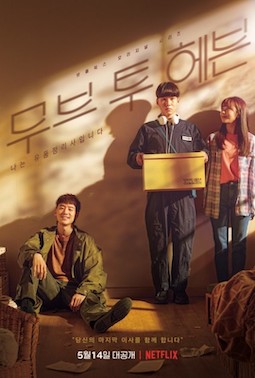
I didn’t know what Move to Heaven was about when I hit play. No trailers. No reviews. Just the title, the poster, and a quiet moment one weekend when I needed something to watch. What caught my eye? The main character has Asperger’s syndrome, a form of Autism. That alone was enough to hook me in.
I’ve watched a few shows with similar characters—The Good Doctor, Extraordinary Attorney Woo—and I’ve always been drawn to how they tell stories from a different lens. There’s something honest, even refreshing, about seeing the world through characters who don’t filter things the way most people do. They notice what others miss. They say what others won’t. And that’s what pulled me into Geu-ru’s world before I even knew what a trauma cleaner was.
Now, I’m not going to sugarcoat it—this show hurts. It’s quiet in how it breaks you, like a whisper that hits right where you’re most vulnerable. But weirdly enough, it also made me laugh. And think. And sit in silence after each episode, feeling like I’d just been handed someone’s heart in a cardboard box.
Move to Heaven is one of those shows that quietly sticks with you. It’s rich with meaning, and if you let it, it just might change how you see life—and the stories tucked inside the things people leave behind. In this review, I’ll focus on the characters who made it all come alive and the different ways they each shaped the heart of the series.
Yoon Na-mu

Na-mu is the kind of person who shows up, no questions asked, and stays when others don’t know how. From the very beginning—when Geu-ru and his father moved into the house next door—Na-mu was warm and curious. No awkward pauses. No judgment. Just a friendly girl who decided that this boy with his quiet voice and routines was worth knowing.
And she never wavered from that. While everyone else tiptoed around Geu-ru or didn’t know what to say, Na-mu saw him. Really saw him. She never treated him like someone fragile or different. She treated him like a friend. A real one. The kind who sticks around even when it gets complicated.
Na-mu’s loyalty ran deep. She didn’t just protect Geu-ru with words—she acted. Even when her mom disapproved, even when she was told to stay away, she chose to look out for him. She stood between him and the world when it got too loud or too harsh. That takes guts. Not the loud, dramatic kind—but the quiet, stubborn kind that says, “You matter to me, and I’m not going anywhere.”
And her patience? It came from genuine care. She moved at his pace, never pushing, never hovering. Just there—ready, steady, and calm. But let’s be clear—Na-mu had a fiery side, too. She’d sass Sang-gu without blinking and wouldn’t hesitate to call people out if they crossed a line.
Her presence was like a safety net—soft but strong. She may not have had a huge role in every episode, but her energy grounded the story. In a world that often misunderstands people like Geu-ru, Na-mu showed what true friendship looks like. Not performative, not convenient—just constant, loyal, and quietly fierce.
Han Jeong-woo
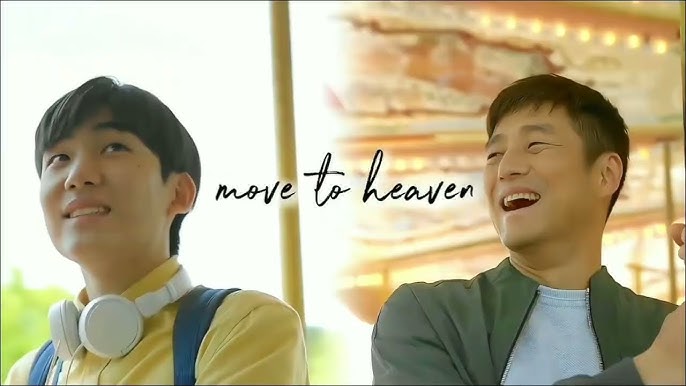
Han Jeong-woo isn’t in every episode, but somehow, it feels like he never really leaves. He’s Geu-ru’s father—the deeply thoughtful man who built their quiet world with care and routine. And even after he’s gone, his presence clings to every corner of their home, like a familiar scent that refuses to fade.
But what makes his story hit even harder is how it all began. Geu-ru wasn’t just his son by chance—he was his choice. Jeong-woo found him abandoned inside a water tank in Busan. And when he discovered that Geu-ru would be sent overseas for adoption, he stepped in without hesitation. He brought him home. Raised him. Loved him. That alone speaks volumes about the kind of man he was.
He and his wife even studied sign language together so they could communicate better with their son. They didn’t look at his condition as something to fix—they simply wanted to understand him more deeply. That kind of effort? That’s love in action.
Jeong-woo loved his wife with such quiet intensity that even in memories, their bond felt unbreakable. And then there was his younger half-brother, Sang-gu. Even after life pulled them in different directions, Jeong-woo never let go. He kept a promise he made to Sang-gu on his birthday—and honored it every single year. He didn’t stop looking for him. He didn’t forget.
He brought that same care to Move to Heaven. For him, it wasn’t just a job but a way to honor the lives of the departed. To him, every item left behind told a story, and he treated each one with the respect it deserved. It’s no wonder Geu-ru took on that same sense of purpose. He learned it from a man who didn’t just teach values—he lived them.
Even in death, Jeong-woo’s love echoes through the routines he left behind, the people he connected, and the lessons he quietly passed on. He was a father, a husband, a brother—and somehow, even in absence, he still held everything together.
Cho Sang-gu
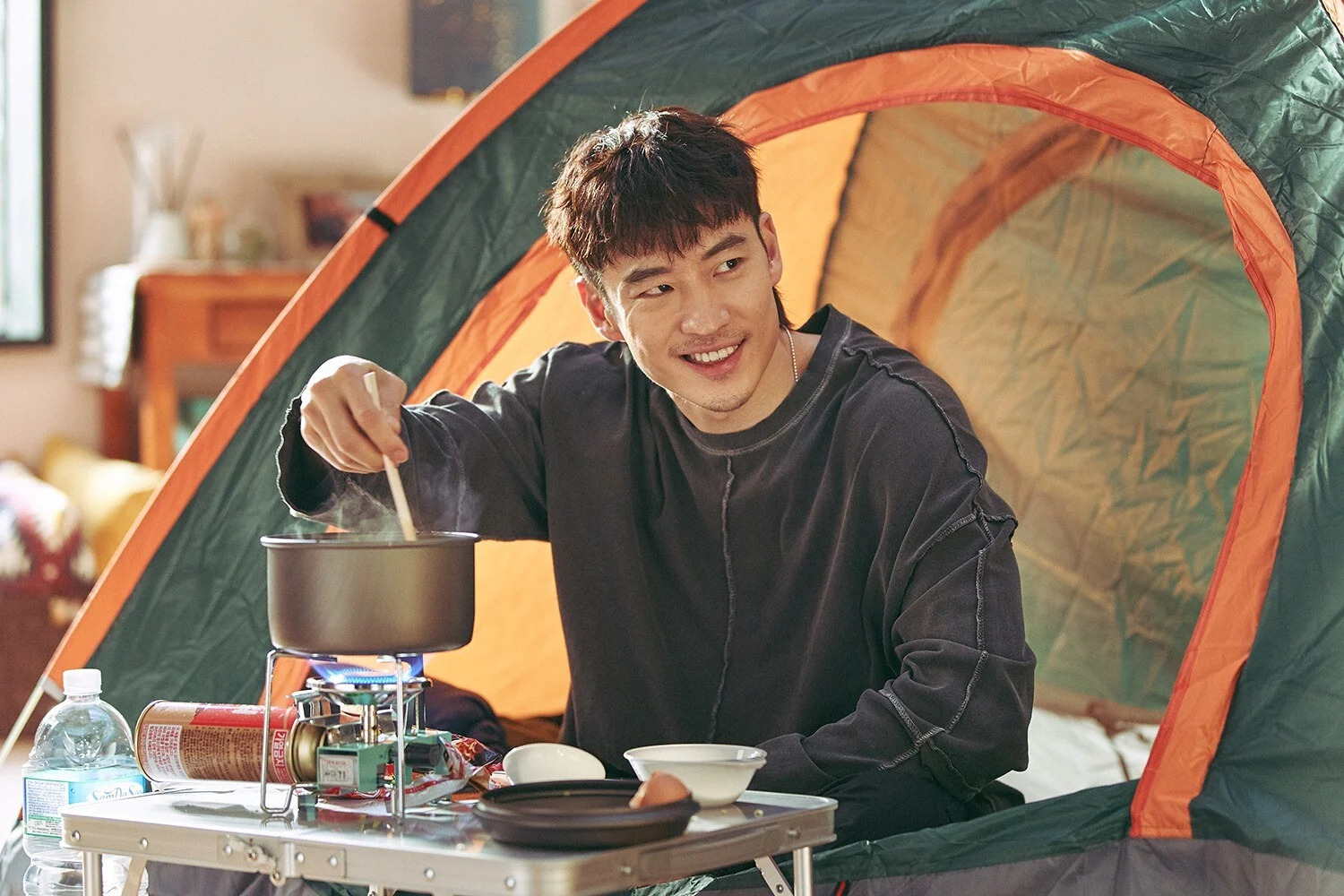
If Geu-ru is the heart of the series, Sang-gu is the raw, bruised soul trying to remember what it feels like to care.
Played by the incredibly versatile Lee Je-hoon—who’s starred in hit dramas like Signal, Taxi Driver, and Tomorrow, With You—Sang-gu is a complete contrast from the usual clean-cut, heroic leads we’re used to seeing him play. This time, he’s all grit and grumble, wrapped in a leather jacket and years of unresolved pain. But it works. In fact, it’s one of his best performances—because even in Sang-gu’s silence or bursts of anger, there’s always something real underneath.
When Sang-gu first enters the story, he’s everything Geu-ru isn’t—rough, hot-headed, emotionally shut off. He walks out of prison and straight into guardianship, looking completely out of place in a house full of structure, rules, and fish tanks. You can practically feel the tension. But underneath all that attitude is a man who’s deeply wounded and quietly drowning in guilt.
My favorite moment? When Sang-gu stealthily followed Geu-ru on his yearly picnic with his dad. He didn’t interrupt or make it about himself. He just… showed up. Let him check every amusement park ride on his brochure like he’d done every year. And when Geu-ru gazed longingly at the rides his dad was always too scared to try, Sang-gu was right there beside him, cheering him on, riding along, making it fun. That scene? It said more than any apology or grand gesture ever could.
He even stepped in to protect Geu-ru from those bullies at the arcade without making a big deal out of it. Just quietly did what needed to be done, like a big brother who finally understood his role.
And let’s be honest—some of the biggest laughs in the series come from Sang-gu. Whether he was freaking out over the cleaning jobs, awkwardly adjusting to Geu-ru’s routines, or snapping at people who rubbed him the wrong way, he brought in this unexpected comedic relief that felt genuine. Not forced. Not overdone. Just a man figuring it all out, one sarcastic remark at a time.
Sang-gu’s transformation isn’t perfect—and that’s what makes it believable. He doesn’t suddenly become a polished, emotionally available adult. But he learns. He stays. He tries. And that effort, clumsy as it may be, speaks louder than anything else.
He reminded me that healing doesn’t always look graceful. Sometimes it stumbles. Sometimes it swears. But it still moves forward. And that’s more than enough.
Han Geu-ru
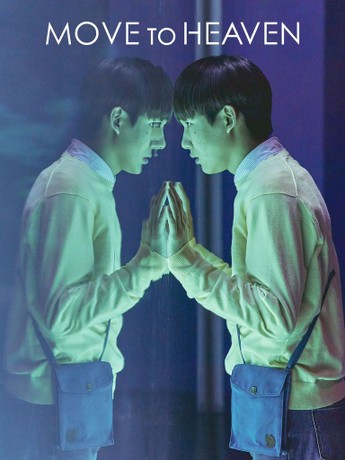
Han Geu-ru doesn’t deliver dramatic speeches or cry in sweeping, cinematic moments. But somehow, he says the most with the least. His quiet presence, his unwavering routines, and the way he interacts with the world—carefully, intentionally—give Move to Heaven its heartbeat.
Geu-ru has Asperger’s Syndrome, and what’s refreshing is that the show never treats it like something that needs to be “overcome” or “fixed.” Instead, it becomes the lens through which we experience the world—one that’s focused, sensitive, and deeply honest. He notices things others overlook—crumbs on the floor, a dent in a wall, a ticket stub folded just so. These aren’t just random details to him. They’re clues. They’re stories. They matter.
In many ways, Geu-ru is like a detective—only his cases involve the dead. He studies every space and object like a puzzle waiting to be solved. And he does solve them, one piece at a time.
Every time he prepares a “final move,” it’s like watching someone perform a sacred ritual. He doesn’t just pack away belongings—he handles each one with care, like he’s preserving a piece of someone’s life. He speaks to the deceased as if they’re still present. He gives space for their stories, even if no one else remembers them. Through him, you realize that death doesn’t erase a person’s value—and sometimes, the smallest objects hold the biggest meaning.
Losing his father was earth-shattering, but Geu-ru doesn’t spiral. He sticks to his routines. He follows the steps he was taught. He keeps going, one careful move at a time. And even though the grief is always there, it’s folded gently into his day-to-day life like a memory that never leaves.
His bond with Sang-gu is extraordinary. On the surface, they couldn’t be more different—one’s all structure, the other’s chaos. But somehow, they meet in the middle. Through Geu-ru’s quiet consistency and Sang-gu’s rough loyalty, they build something that resembles family—even if it doesn’t follow the usual script.
Geu-ru reminded me that being different doesn’t make you any less capable of loving or being loved. And sometimes, the people we assume are the hardest to connect with are actually the ones teaching us how to feel the most.
Final Thoughts
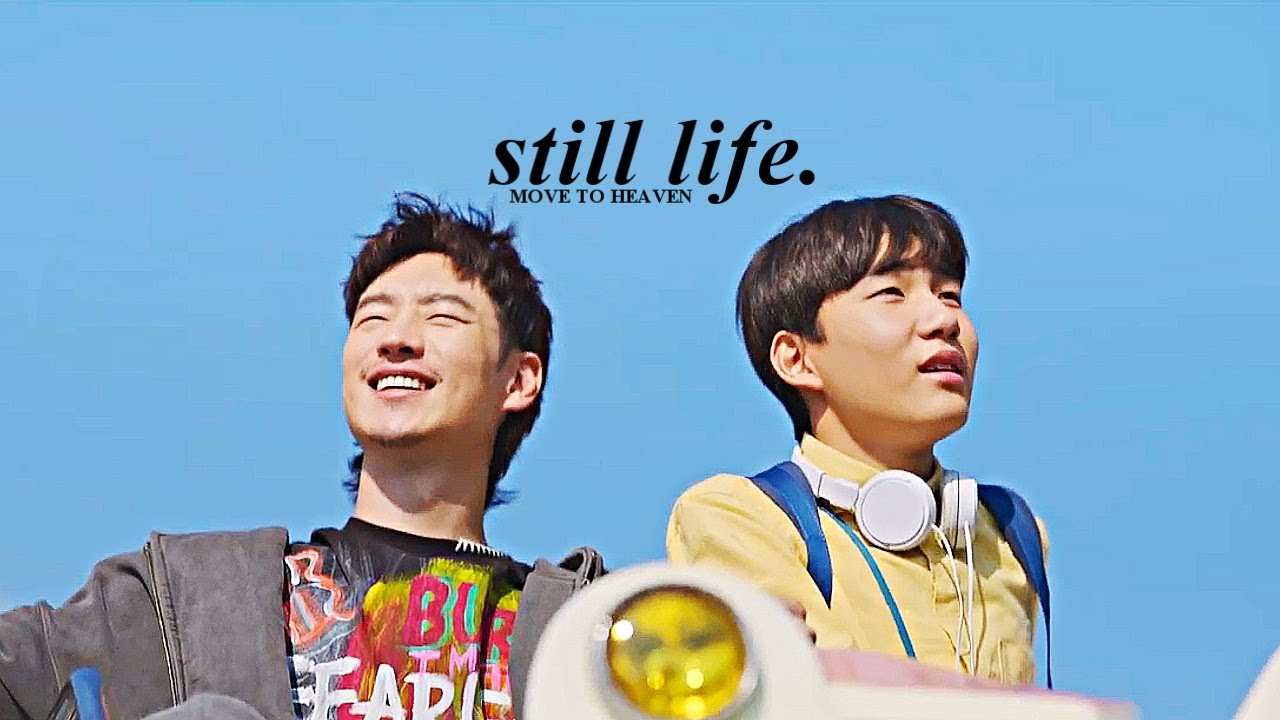
Move to Heaven doesn’t rely on big twists or drama to make its point. It leans on honesty, compassion, and characters who feel real in the best way. It leaves you thinking—not just about death, but about how we live, what we hold onto, and what truly matters.
Have you seen it yet? Or is it the kind of story you didn’t know you needed?
 From My Corner of the Couch