


If someone told me a year ago that I’d be fully booked teaching English online—on top of writing content for a living—I probably would’ve laughed and gone back to proofreading blog posts with a coffee in one hand and laundry waiting in the background.
But here I am, a full-time content writer at NoBS Marketplace and a part-time ESL tutor at RareJob, juggling both roles from the comfort (and chaos) of home. What started as a backup plan turned into something I genuinely enjoy. And now, as I celebrate my first year as an online tutor, I’ve been bumped up to RareJob’s premium teaching program and trusted to handle Corporate English classes. It still surprises me, to be honest.
So, how did a simple work-from-home mom end up consistently booked with students, even during slow weeks? It wasn’t luck or some secret formula. It was a mix of showing up prepared, treating each lesson with care, and figuring out what makes students return.
If you’re a fellow tutor—or thinking of becoming one—this post is for you. I’ll walk you through the things that worked for me, no fluff, no complicated strategies. Just real, helpful stuff that made all the difference.
Let’s get into it.
1. Build a Strong First Impression
First impressions can either open doors or quietly close them—especially on tutoring platforms where students have endless profiles to browse. If yours doesn’t immediately catch their attention or build a sense of trust, they’ll move on. That’s just how it works.
When I joined RareJob, I took their strict requirements seriously. And to be fair, they’re pretty detailed—from the tutor photo down to the audio quality of your self-intro video. But instead of seeing it as a hassle, I saw it as a chance to set myself up well from the start. I made sure to follow their instructions to the letter:
✔️ a clear headshot with good lighting and a tidy background
✔️ a short video showing my personality
✔️ a profile description that actually says something meaningful
For my photo, I skipped the usual selfies and went with a simple, natural look—smiling, well-lit, and looking friendly but not overly casual. Think of it like a profile photo that says, “I’m approachable, but I mean business.”
The video part? Not going to lie—I did a few takes before getting it right. I kept it short and conversational. No stiff script, just a friendly tone, a quick intro about myself, my experience, and how I could help students improve. I imagined talking to a nervous beginner or a busy professional who just wants to know, “Can this tutor actually help me?”
As for the written profile, I avoided overused lines like “I’m passionate about teaching.” Instead, I wrote what I do in class and who I work best with. The goal is to give students a reason to click “book.” Using keywords like pronunciation practice, casual conversation, or business presentation helps you show up when students search for specific help.
Following the company’s formatting rules might seem rigid initially, but it filters out low-effort applications. And once you’re in, that polished profile becomes your online storefront. So keep it simple, professional, and real. It’ll speak for you even before you enter the virtual classroom.
2. Deliver Consistent, High-Quality Lessons
Once a student books a class, those first few minutes can either build trust—or quietly send them looking for another tutor. That’s why consistently delivering high-quality lessons isn’t just a goal. It’s a must.
From day one, I made it a habit to prepare before each session. And one of the most helpful things I do? I read the previous tutor’s comments. This overview gives me a quick snapshot of the student’s current level, common errors, and what they’ve been working on. If a past tutor mentioned that a student struggles with articles or has trouble expressing opinions, I know exactly where to focus my energy.
This small step saves time and helps me teach smarter. Instead of starting from scratch, I continue where the last tutor left off. Students notice this. I’ve had several say, “Wow, you remember that?” when I ask about something they worked on in a previous session. It shows you’re paying attention—and it makes them feel valued.
During the actual lesson, I try to keep things practical and personalized. If a student’s nervous, I don’t dive straight into the material. I start with a light conversation to help them settle in. I also adjust my approach depending on what they need. For example, if they’re preparing for a job interview, we’ll do role-playing with sample questions. If pronunciation is the issue, I slow down, model phrases, and guide them with real-time feedback.
Consistency is also about presence. Even when I’m tired from back-to-back classes or writing deadlines, I remind myself: this short lesson might be the best part of their day. That thought alone helps me show up with focus and care, every single time.
I also keep a mini checklist for recurring students—just a few notes on what we’re working on, what they enjoyed last time, and what I want to reinforce. It keeps the lessons flowing naturally and makes it easier to build momentum over time.
And if something goes off track? It happens. What matters is how you respond. Instead of faking through a topic I’m unsure about, I ask more questions, simplify the material, or shift to something I know will still be helpful.
Because in the end, students don’t return just because your lessons are “good.” They come back because every class moves them forward—little by little—with care, purpose, and a personal touch.
3. Be Reliable and Professional
You can have all the teaching skills in the world, but if you cancel often, show up late, or seem distracted, it’s hard to build trust. And in online tutoring, trust is everything.
From the start, I treated every class like a promise. I always log in a few minutes early to check my audio and lighting and review the student’s information and special requests, so I’m not caught off guard. A 25-minute class might feel short, but to a student squeezing it into a busy day, every second counts.
Since I work from home, I do my best to stay focused. My phone’s always on silent during class—no pings, no distractions. That’s one less thing to worry about. Now, I’d love to say my house is always peaceful during lessons, but real life says otherwise. If it’s not the dog howling like he’s in a concert, it’s the rooster deciding it’s sunrise at 2 in the afternoon.🤣🤣
Instead of stressing, I own it. I’ll usually say something like:
“Apologies in advance—my dog and the neighborhood rooster like to chime in sometimes. They’re not on the schedule, but they don’t care.”
A little humor goes a long way. Students laugh, the tension melts, and we carry on. What matters is that they know you’re present, even if life buzzes in the background.
Professionalism also shows in how you handle conversations. Some students get chatty, or they open up about their personal lives. I let them share, but I gently guide things back when needed. You can be friendly without being too casual. It’s all about striking that respectful balance.
At the end of the day, showing up consistently, prepared, and with a good attitude makes a bigger impact than you think. Students don’t just come back for the lesson—they come back for you.
4. Understand What Students Really Want
Most students won’t say it directly, but they’re not just looking for someone to correct their grammar or explain phrasal verbs. What they really want is to feel confident, understood, and supported as they try to speak a language that doesn’t always make sense. (Looking at you, silent letters.) 🙄🙄🙄
Over time, I learned that paying attention to what they don’t say is just as important as what they do. For example, I’ve had students say, “I want to improve my vocabulary,” but what they really meant was, “I’m afraid I’ll look unprofessional during meetings.” In cases like that, I tailor the lesson with phrases they can use right away at work. We’ll practice giving opinions, presenting ideas, or even just small talk—because that’s where their real struggle is hiding.
Another student once told me he wanted to “speak like a native,” but he kept pausing mid-sentence and apologizing. It wasn’t about accent—it was confidence. So we spent more time doing relaxed conversation drills, where mistakes were welcome. I’d say things like:
“Don’t worry about perfect English. Focus on expressing your ideas. I’ll help you with the rest.”
That kind of reassurance makes students feel safe. And when they feel safe, they learn faster.
It also helps to notice their learning style. Some students love visual aids, while others just want to talk it out. Some thrive with corrections on the spot, while others prefer gentle notes at the end. I always test the waters first. I might ask:
“Would you like me to correct you as you speak, or would you prefer feedback at the end of the lesson?”
Little questions like that show them you’re there to support—not to judge.
Also, be mindful of their pace. I’ve taught students who speak fast and want every minute packed, and others who take their time forming sentences. Neither is wrong. What matters is adjusting your teaching so it works for them—not forcing them to keep up with you.
Understanding what students want goes beyond the lesson material. It’s about reading between the lines, meeting them where they are, and creating a space where learning doesn’t feel like a chore. When you do that, they’re not just learning English—they’re gaining trust in themselves. And in you.
5. Communicate Effectively With Students

Good communication is how you make students feel heard, respected, and motivated. From your first message to your regular lessons, how you interact shapes their entire learning experience.
During lessons, I make sure to listen more than I talk. If they’re struggling to explain something, I don’t jump in to correct too fast. I wait, give them time to think, and offer help when needed. Sometimes I’ll say:
“Take your time—I’m listening.”
That simple sentence puts them at ease. It shows I’m not rushing them or counting their mistakes. I also repeat or rephrase what they say if I’m not sure I understood them. Clear communication is a two-way street.
For repeat students, I try to keep track of the little things they share—like a job interview coming up or a vacation they’re planning. Bringing those up later shows them that you remember and care. It might sound like this:
“How did your presentation go last week? Did the expressions we practiced help?”
It’s a small gesture, but it makes the learning experience feel more personal.
One more thing: I never assume a student understood everything just because they nodded. I ask things like:
“Did that make sense?”
“Would you like another example?”
“Should we review that one more time?”
This helps avoid confusion and gives them space to speak up if they’re lost.
Effective communication is about being present, clear, and human. Students stay when they feel like they’re not just another lesson on your schedule. They stay when they feel like someone’s truly in their corner.
6. Keep Improving Your Teaching Skills
Students can tell when you’re invested in improving. It shows in how you explain things, how you adapt during lessons, and how you handle their questions.
I didn’t stop learning after passing Rare Job’s training. In fact, getting into the Advanced Tutor Program made me more mindful of how I teach. Business students, for example, expect structure, clarity, and relevant feedback. So, I started watching free webinars, reading ESL blogs, and learning how to guide discussions better—especially when dealing with professionals who want real-world applications like email writing, meetings, and presentations.
Sometimes, I’ll try new things in class just to see how they land. If I notice a student zoning out while we go through the textbook, I might toss in a “quick challenge” or ask a thought-provoking question related to their job or interests. If it works, great. If not, I tweak it next time.
I also take feedback seriously—both from students and from my own observations. If a lesson felt flat or the student seemed confused, I ask myself: “What could I have done differently?” It’s not about beating myself up—it’s about figuring out what to adjust so the next one feels smoother.
Even watching how other tutors teach can help. Sometimes I read the notes left by previous tutors—not just to check what the student needs, but to see how they structured the session or what feedback they gave. It’s a simple way to pick up techniques or learn what not to do.
Improvement doesn’t have to mean enrolling in expensive courses. It could be as simple as:
- Trying out new teaching materials
- Learning a few words in the student’s language
- Practicing clearer pronunciation
- Getting better at time management during sessions
- Reading interesting materials in your free time
Students are more likely to stick with a tutor who grows with them. If they see that you’re always trying to become better at what you do, they’ll trust you to help them do the same.
7. Get Reviews and Let Your Results Speak
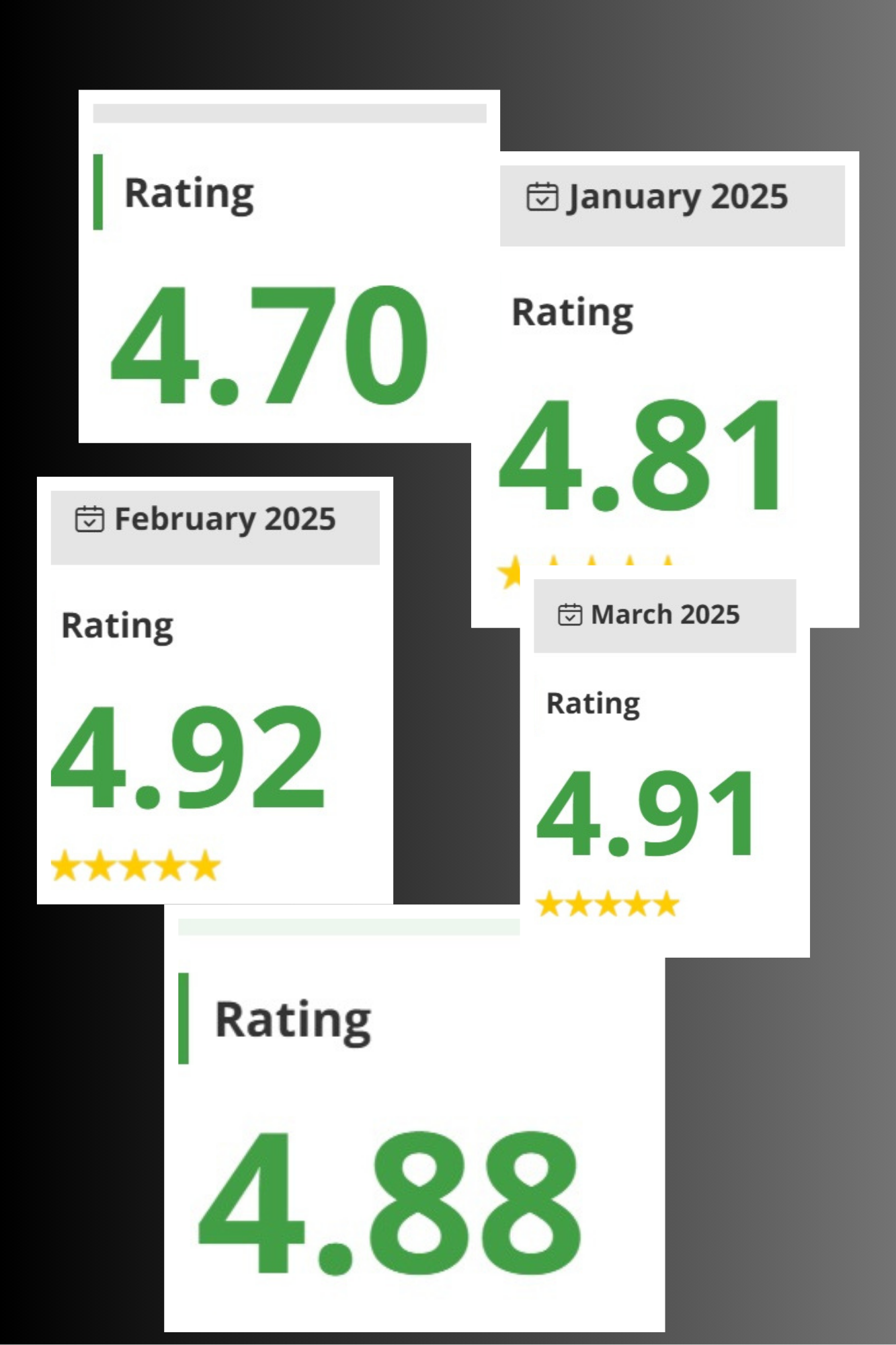
Let’s be real—ratings can feel like a rollercoaster. Some tutors watch their scores like a stock market. Personally? I don’t fixate on mine, but I do pay attention.
From December 2024 to now, my average rating is 4.842. Not flawless, but steady—and for me, that says a lot. It means I’m showing up, doing my job, and leaving most students satisfied. That’s the goal.
Now and then, I still get the occasional low rating—a 1 or a 2—and yes, it stings a little. But instead of spiraling or second-guessing my ability, I just take a breath, reflect, and move on. I ask myself: Was there something I could’ve done better in that lesson? If the answer is yes, I take note and try to improve next time. If the answer is no, I let it go. Not every session will be a hit, and not every student will click with your style.
I also don’t go fishing for perfect scores. What I focus on is giving each student a good experience—being prepared, listening well, and guiding them at their pace. When you do that consistently, the ratings follow naturally.
Ultimately, your rating doesn’t define you, but it can reflect your effort over time. So keep your head in the lesson, not on the numbers—and let the results speak for themselves.
8. Submit Accurate and Helpful Feedback
Submitting teaching notes quickly and accurately might seem like a small thing—but it makes a big difference. It shows professionalism, helps the next tutor pick up where you left off, and ensures the student gets timely feedback they can actually apply.
To be honest, writing notes during the lesson itself is a challenge for me—I only have one working arm. It’s not an excuse, just my reality. Still, I do my best. Despite that limitation, I’ve maintained a 100% submission rate for my teaching notes and consistently complete them within five minutes after class ends. I use that short break between lessons to write while everything’s still fresh, before the details slip away.
To save time and avoid typing everything from scratch, I created templates for the different lesson types on the platform. That way, I just plug in the necessary info—new vocabulary, mispronounced words, and a short, helpful summary of how the student did.
Here’s an example I often use for News Article lessons:
Hello, and thank you for taking this lesson with me. You did very well. You have good comprehension since you were able to answer all of my questions correctly. You also shared your ideas effectively. Your summary was short but contained all the important points. Excellent!
Overall Score: 4
Here’s my Feedback:
VOCABULARY: No new words were introduced
ACCURACY: Your sentences were grammatically correct
FLUENCY: You didn’t have fillers
COHERENCE: You were able to expound on your answers
PRONUNCIATION: I only had to emphasize the pronunciation of the following words: [insert words with phonetics here]
It’s short, structured, and easy to fill in—especially when you’re teaching back-to-back.
If you’re struggling with your notes or feel like it eats into your break, you’re not alone. Feel free to message me or comment on this post. I’d be more than happy to share my templates or help you create one that works for your flow.
Getting tutoring notes done quickly doesn’t just help with efficiency—it helps you stay focused and confident for your next lesson. And that adds up over time.
Final Thoughts
Every tutor has a different journey—but if yours involves growth, care, and consistency, being fully booked won’t just be a goal. It’ll be your new normal. What’s one habit you could start today that your future students will thank you for?
 From My Corner of the Couch