


For anyone looking to achieve healthier skin or stronger joints, collagen supplements might come to mind. Hydrolyzed collagen, a unique form that’s easier for the body to absorb, has quickly gained popularity among those aiming to enhance their wellness routine. But what makes hydrolyzed collagen stand out, and why are so many people taking notice?
Hydrolyzed collagen offers a simple yet powerful addition to a wellness regimen, one that more people are choosing every day. Here’s what you need to know about what it is, how it supports the body, and why it’s worth considering.
What Is Hydrolyzed Collagen?
Hydrolyzed collagen might sound complex, but it’s essentially collagen that’s been broken down into smaller, easy-to-absorb particles. Collagen itself is a protein naturally found in the body, especially in the skin, bones, and connective tissues. It’s like the body’s internal scaffolding, keeping skin firm, joints flexible, and bones resilient. However, over time, collagen production declines, and this can lead to visible signs of aging and decreased joint function.
This is where hydrolyzed collagen steps in. Through a process called hydrolysis, collagen is broken down into smaller amino acids, making it easier for the body to absorb and use. Hydrolyzed collagen is often available as a powder, capsule, or liquid, and because of its smaller molecular structure, it travels through the body faster and more efficiently.
For anyone interested in supplementing collagen, hydrolyzed collagen is a convenient and effective option. It doesn’t just support one area but has the potential to impact multiple aspects of wellness—from skin elasticity to joint comfort and even nail strength.
How Hydrolyzed Collagen Works in the Body
Once ingested, hydrolyzed collagen starts its journey through the digestive system, where it’s broken down even further into individual amino acids. Because it’s already hydrolyzed—meaning its proteins are in smaller, more absorbable fragments—hydrolyzed collagen can be absorbed quickly, allowing it to enter the bloodstream and make its way to the areas that need it most.
The body doesn’t necessarily send hydrolyzed collagen straight to the skin, joints, or hair. Instead, it uses those amino acids as building blocks, just like a fresh supply of bricks for various repair projects. These amino acids support the body in creating and maintaining its own collagen stores, which can then help reinforce the skin’s elasticity, keep joints cushioned, and strengthen hair and nails.
When I became hemiplegic twelve years ago, many nutrients didn’t efficiently travel to the left side of my body. I noticed the nails on my left hand, and toes became ugly and rough. They’re not as shiny and smooth as those on my right side. However, after taking hydrolyzed collagen for only two weeks, I noticed visible results. I’m not exaggerating here. The nails on my left hand became smoother and shinier!
With regular intake, hydrolyzed collagen has a ripple effect. It helps replenish what age or lifestyle may have worn down, offering a natural way to support the body’s repair processes.
Health Benefits of Hydrolyzed Collagen
Hydrolyzed collagen offers a range of benefits that support multiple aspects of wellness, from smoother skin to joint comfort and beyond. Here’s how it makes an impact:
Skin Health
Hydrolyzed collagen is widely known for its ability to support skin firmness and elasticity. By providing the essential amino acids needed to maintain the skin’s natural structure, collagen can help reduce the appearance of fine lines and wrinkles over time. Many people also find that it enhances skin hydration, which can give the complexion a fresh, youthful glow.
Joint and Bone Health
With age, the natural collagen levels in our joints start to decline, often leading to stiffness and discomfort. Hydrolyzed collagen supplements are designed to support joint health by helping replenish the body’s collagen supply. The amino acids in hydrolyzed collagen aid in maintaining cartilage, making movement more comfortable. For athletes and active individuals, it can also serve as a tool for protecting joint function.
Hair and Nail Health
Weak, brittle nails and thinning hair are common complaints, often tied to a lack of essential nutrients. Hydrolyzed collagen provides the body with amino acids like proline and glycine, which are known to strengthen hair and nails. By supporting keratin production, collagen can improve nail resilience and add shine and strength to hair, helping it appear thicker and healthier.
Gut Health
Collagen maintains the health of the gut lining, which is essential for smooth digestion and nutrient absorption. Hydrolyzed collagen may support gut health by providing amino acids that help soothe and strengthen the gut barrier, potentially reducing digestive discomfort. For individuals dealing with digestive issues, collagen can offer a gentle way to support gut integrity.
Muscle Recovery and Performance
Athletes and active people often turn to hydrolyzed collagen to aid in muscle repair and recovery. Since collagen contains amino acids that contribute to muscle tissue, it can assist the body in building lean muscle and speeding up recovery after exercise. Some find that it reduces soreness and supports endurance, making it a valuable addition to a post-workout routine.
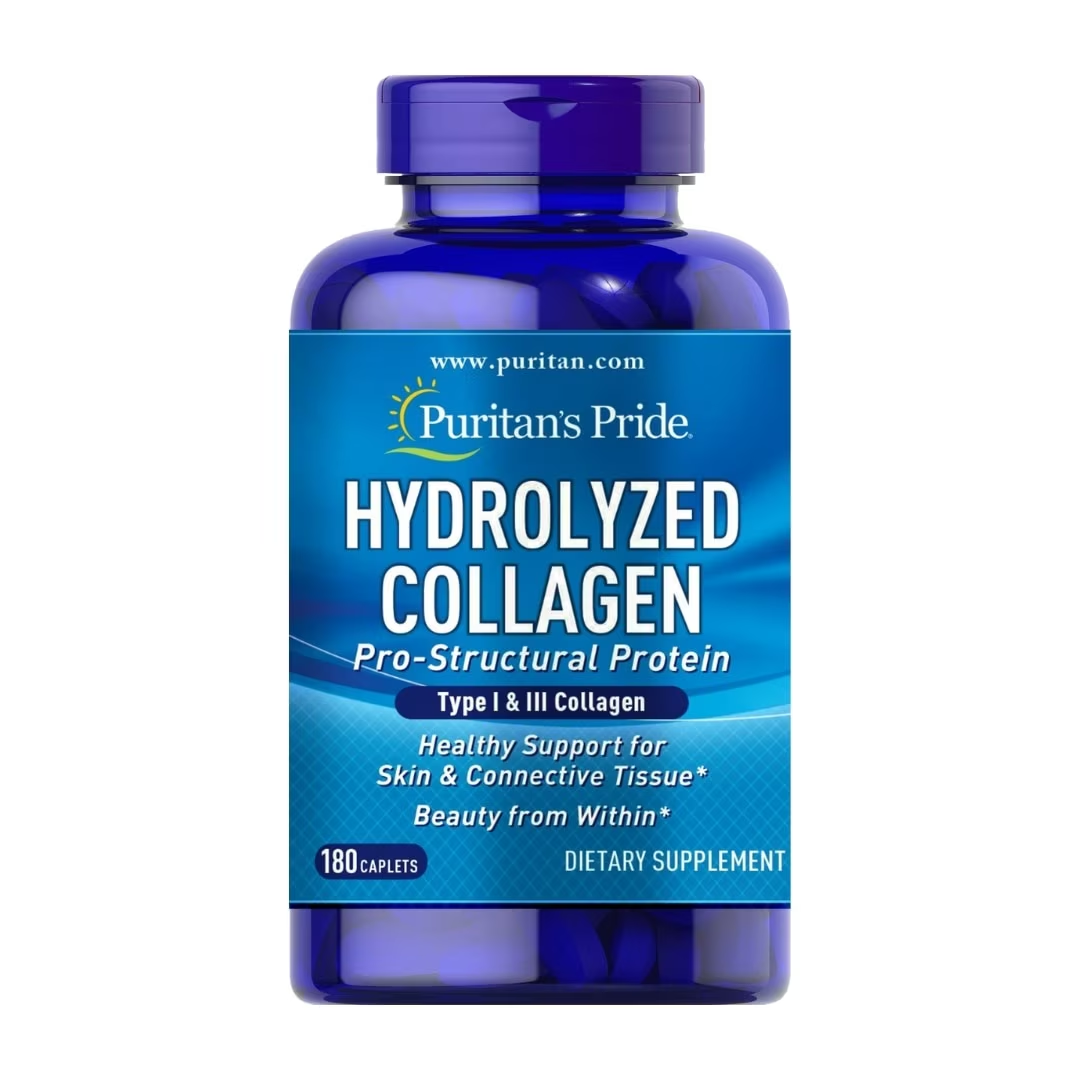
Addressing these areas offers a comprehensive approach to feeling and looking healthier naturally. I personally use Puritan’s Pride Hydrolyzed Collagen. Each bottle contains 180 caplets. I take two caplets ever morning as soon as I wake up. One bottle costs around P1,500. But if you chance upon a discount voucher like I did, you can geti t for as low as P749!
Final Thoughts
With its unique ability to support the body’s natural processes, hydrolyzed collagen brings a refreshing approach to everyday wellness. Simple, versatile, and backed by real benefits, it’s a supplement that seamlessly fits into a balanced lifestyle. For those ready to explore its potential, hydrolyzed collagen might be the key to uncovering a healthier, more resilient self.
 From My Corner of the Couch