

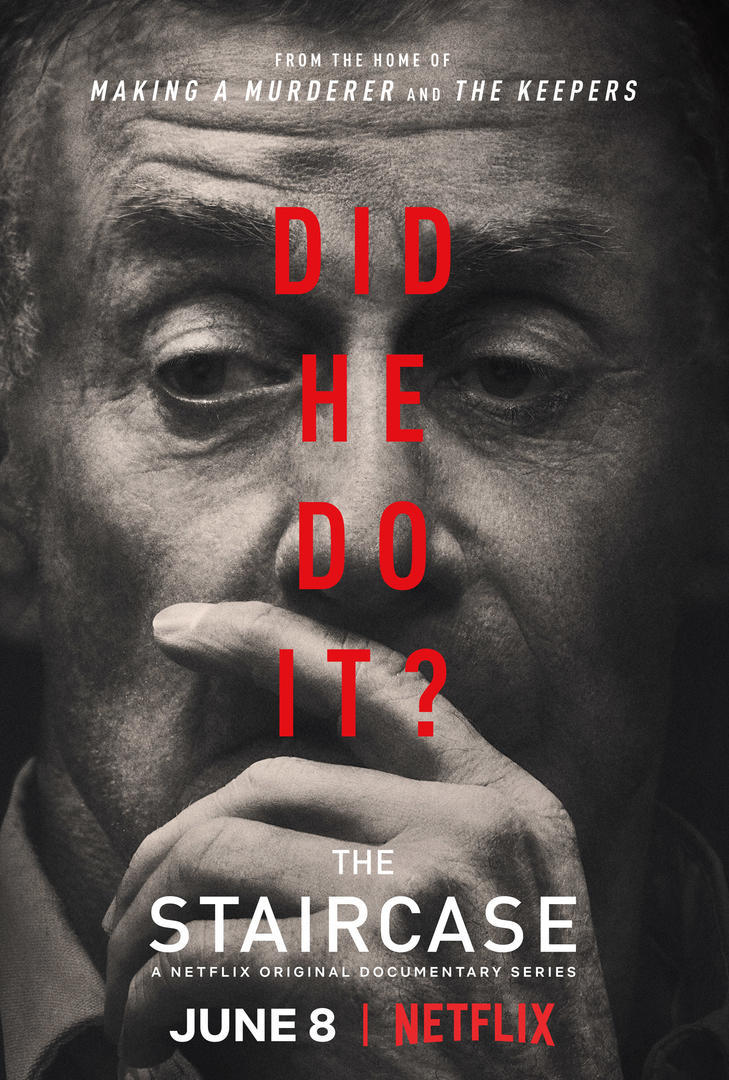
The Staircase wasn’t just a docuseries; it was a punch to the gut. You watch this story unfold, and you can’t help but feel for Michael. The guy seemed genuinely devastated by his wife’s death, yet there he was, painted as a villain in the media circus. No wonder he looked kind of numb – the whole world was throwing shade before they even knew the whole story.
And what a story it was. Kathleen, found at the bottom of the stairs, a trail of blood behind her. Michael, calling 911, his voice raw with panic. Then came the accusations, the trial, the sentence – life in prison for something he swore he didn’t do. The whole thing left you with a nagging question: how?
The lacerations on Kathleen’s head weren’t the clean, deep gashes typical of blunt-force trauma. The defense argued they were more consistent with something like, say, the wrought-iron stoke from the fireplace – a detail the prosecution glossed over.
It’s crazy, I know. But watching the doc, you see how the defense laser-focused on proving Michael’s innocence, maybe neglecting other possibilities. And Michael, bless his heart, seemed more concerned with getting back to his kids than dissecting every blood splatter. The raw footage, it showed a man grieving, not a killer plotting his escape.
While the prosecution focused on Michael Peterson’s alleged involvement, whispers of a more unusual suspect began to circulate. Enter the barred owl, a fierce raptor common in North Carolina. Some observers, including Kathleen’s own neighbor, pointed to the lacerations on her head, suggesting they resembled puncture wounds from an owl’s talons. This theory gained traction due to the lack of a clear murder weapon and Kathleen’s reported love for birdwatching, which could have brought her into contact with the feathered predator.
Eight years. Eight years Michael spent away from his daughters, missing graduations, weddings, the pitter-patter of tiny grand feet. His appeals bounced off walls like stubborn tennis balls, until finally, the Alford plea – a technicality that granted him freedom without forcing him to confess to a crime his conscience wouldn’t allow.
And here’s the kicker: the story doesn’t end in a prison cell. Michael’s out now, living his life with his new wife, working as an engineer. I can’t help but root for him. The man went through hell and came out the other side, a little battered but not broken.
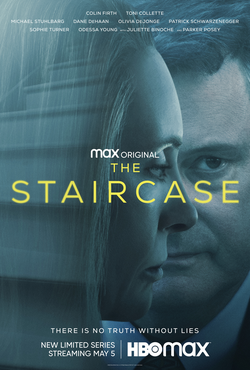
So, yeah, The Staircase is more than just a whodunit. It’s a reminder that appearances can be deceiving, that grief can manifest in strange ways, and that sometimes, the truth might be hiding in the most unexpected places – like the talons of an owl. And hey, if you’re looking for a fictional take on the story, check out the HBO series with Colin Firth and Toni Colette. But trust me, the real-life version is a doozy.
 From My Corner of the Couch